People work with me privately. I introduce them to ideas they’d never have found on their own, and we explore whatever they’re curious about. The first conversation is free. Come for a walk through my world first. It ends in a clearing.
Not to scale. Reality is always richer than our descriptions of it.
1Academia (dismantled)
Fifteen years on this line
I spent fifteen years in universities, teaching and researching how people learn, think and develop judgement. I left in 2021, because I’d lost faith in how education was being treated.
I still love teaching, though. Give me an interesting question, a good book or someone who wants to understand an idea, and I can happily lose an afternoon finding a way in. I usually come away with more energy than I started with.
Still on the map: PhD in Social Learning, MPhil, PGCert, BSc in Sports Science, and a Senior Fellowship of the Higher Education Academy.
Published papers
1,635 citations · h-index 20
Mostly about how coaches learn, which turned out to be about how anyone learns.
I set it up with my friend David Priestley. We work with senior leaders who want philosophy to be a regular part of their lives, and with organisations willing to look at the assumptions underneath how they operate.
The name comes from syntropy: life becoming richer, more energetic and more coherent.
Things fall apart. But living things also grow, organise themselves and open up new possibilities. I’m interested in what makes that possible, and what it might mean for how we live. I’ve been developing a philosophy around it called syntropology.
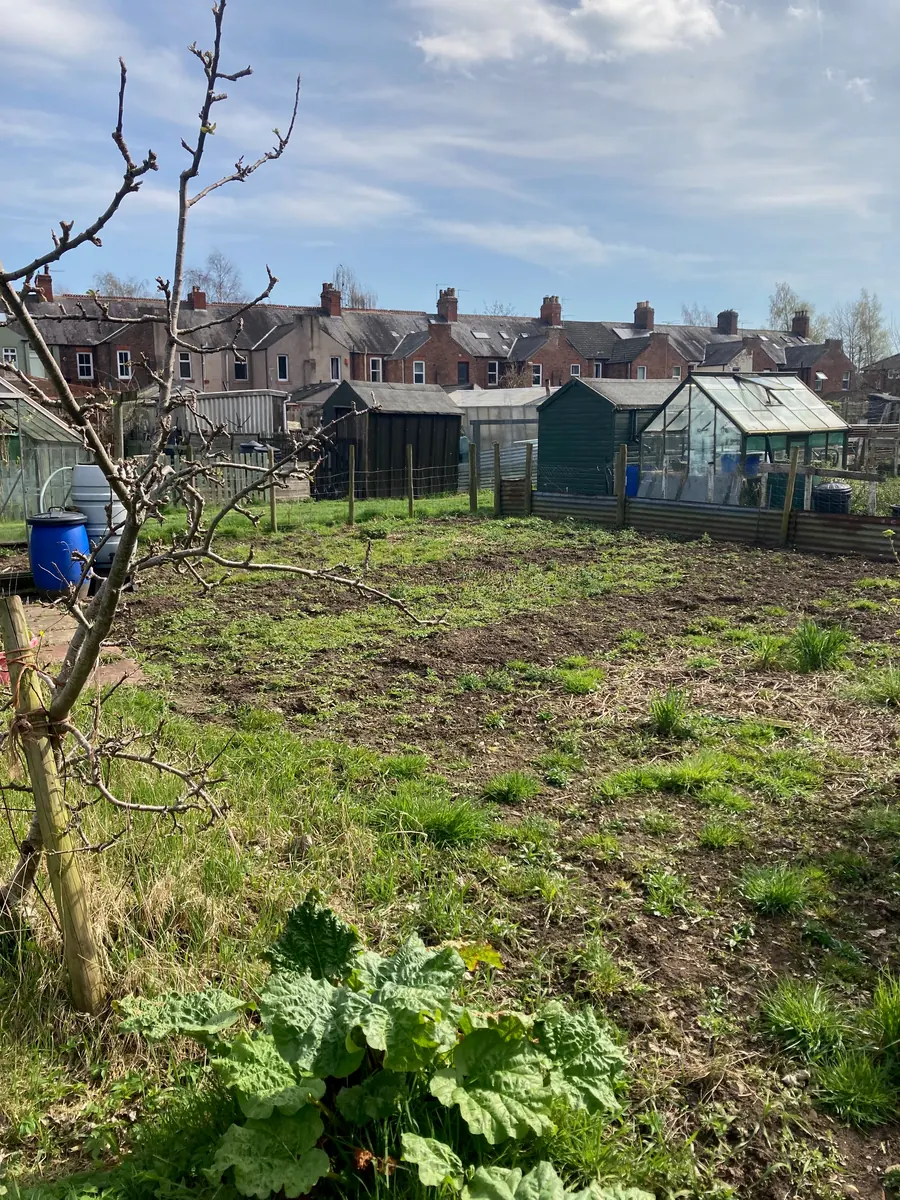
Where syntropy’s easiest to see. I battle the elements here in pursuit of perfect fruit and veg, supervised by Dudley. From bare soil to harvest, one photograph at a time.
The plot before cultivation, with neighbouring sheds and houses beyond.
8The record shop
Same thinking, different tempo
A mix asks the same question as everything else on this walk: what comes next, and what does it make possible? Press play and the mixes spin right here if you want to kick the vibe up a notch.
Every good café on a walk has a board by the counter. These were left by people who’ve walked with me, for whoever comes next. Tap a photo to read their note.
John guides you in making sense of your present and exploring possible futures. I’m always enlightened by our time together. If you’re seeking a peek into the real world beneath the noise, he’s the go-to person.
Kurt Lindley Business owner
John is a brilliant philosopher, tailoring his insights to my needs and creating an engaging space for growth.
Yatra Forudi Head of Enterprise Planning
Blown away by John’s depth of knowledge and the positive, lasting impact this will have on my work and personal life.
John Szymik Founder and CEO
John took me on a road of self-discovery to better understand my own and others’ motivations for the best outcomes. What a journey!
Alex Fox Founder and COO
John has transformed my perspective on both my profession and the world. Through his guidance, I now find greater joy every day.
Nick Davey Director
John has been an integral part of my learning and development and has had such a positive impact on my life. I couldn’t recommend him more.
Conor Class Global Talent Lead
Throughout my time with John, I realised the nuance and shades of grey in life. I’m grateful for his role in changing how I perceive the world.
Sarah Nickless Partnerships Lead
John is excellent in his research and delivery and a fascinating storyteller. He never forces his opinion on you, but gives you what you need to make up your own mind.
Heidegger borrowed the word for the open space where things can show up as they are. Human existence is this clearing: the place where Being is disclosed.
It’s also the best description I know of a good conversation.
LostOne certainty. Answers to ‘obviously’. Last seen at a dinner party.
Jumble saleOld beliefs, going cheap.
Beware of the dog
For saleThe Syntropist, paperback. One careful owner. Heavily underlined, a few arguments in the margins. Will swap for a better question.
Sheet 287 · A notice to the curious
WantedCurious minds
for hazardous thinking
Small certainties. Constant questions. Safe return to your old views doubtful. A clearer view of your own life, in case of success.
Fig. 1. A cocoon, occupied.
Is this you?
There’s a name for that: epistemic loneliness. Plenty of people, nobody to tell.
What you hide at work and at home is the part of you already facing what comes next. It isn’t a fault. It’s early, and early things need a cocoon.
Report to the picnic siteSeven minutes. No uniform, no drill, no right answers.Unpaid. Unofficial. Entirely voluntary thinking.
Sounds like you. Take a slip ↓
Printed at the Clearing Press, Sheet 287. Post no bills.
That’s where the map runs out. There’s plenty more ground beyond it.
If you’d enjoy spending some time with a philosopher, come and have a conversation. The first one is free. Bring something that’s been on your mind, or we can start with whatever I’ve been reading lately.
No. 287Price: a moment of your attentionWeather: changeable, like everything (Heraclitus)
Local man asks machine about Plato
A walker asked a machine to explain Plato’s Cave and had an excellent answer before the kettle boiled. He then wondered what to do with it. Continued on page 2
Dachshund denies all allegations
A local dachshund has denied relieving himself at the Viewpoint, despite a photograph. “Woof,” he said, before trotting off. Enquiries continue.
Courgettes: an update
Allotment holders report that the courgettes are winning. “We had a plan,” said one. “The courgettes had a better one.”
Man still thinking about it
A walker who stopped to consider a question near the Clearing on Tuesday has yet to move on. Friends say he seems happier.
Classifieds
FOR SALE: one certainty, barely used.
LOST: train of thought, near Rabbit Hole Wood. Sentimental value.
WANTED: a better question. Will swap for a perfectly good answer.
A personal philosopher?
What on earth would I need one for?
That’s a very good question.
johnstoszkowski.comHave a philosopher in your life.
Say hello and share the path, especially with people who see things differently.
Leave gates open. Ideas need to get through.
Follow the signs, but keep asking where they lead.
Protect the environment
Take your litter home. Your certainties too.
Don’t start fires you can’t put out. Arguments included.
Keep dogs under effective control. Dudley’s working on it.
Enjoy the outdoors
Check your route, then be ready to leave it.
Expect to get a bit lost. It’s usually where the interesting part starts.
Bring home a question instead of a souvenir.
Thank you for walking thoughtfullyWith apologies to the real Countryside Code, which you should also follow.
i
Information · Sheet 287
Private Philosophy
Have a philosopher in your life.
An ongoing relationship with someone who’ll introduce you to extraordinary ideas, help you explore life’s questions and see familiar things differently.
What we do
We meet regularly and talk. Sometimes there’s something particular you want to think through. Other times I’ll introduce a philosopher, a book or an idea I think you’ll enjoy.
I’ll explain things, answer questions as best I can, and we’ll follow whatever interests you. Some conversations stay with one idea for weeks. Others take us somewhere neither of us expected.
There’s no set curriculum. We get to know each other, and the direction grows from there.
You don’t need a problem
Some people arrive with a decision, a transition or a question that won’t leave them alone. Others simply want philosophy in their life. Either way, the reason you start is rarely the reason you stay.
Not an oracle
I won’t tell you what to think. The point is that you get better at thinking philosophically yourself, and that includes disagreeing with me.
The practical bits
Sessions are ninety minutes, roughly every two weeks.
Mainly online, so where you live doesn’t matter.
No set number of sessions. It’s a relationship rather than a course: some people stay for a few months, others keep coming back for years.
In between, I send things worth your time on WhatsApp, chosen for where your thinking is heading.
Fees are agreed individually before we begin. The first conversation is free.
I also co-founded Syntropise with David Priestley. If you’re interested in a wider philosophical community and a year-long membership, that’s where you’ll find us both.
For organisations, I work as a philosopher in residence through Syntropise.
I’m a bit Marmite. If you’re after quick answers or someone to tell you your next move, there are plenty of people who do that well.








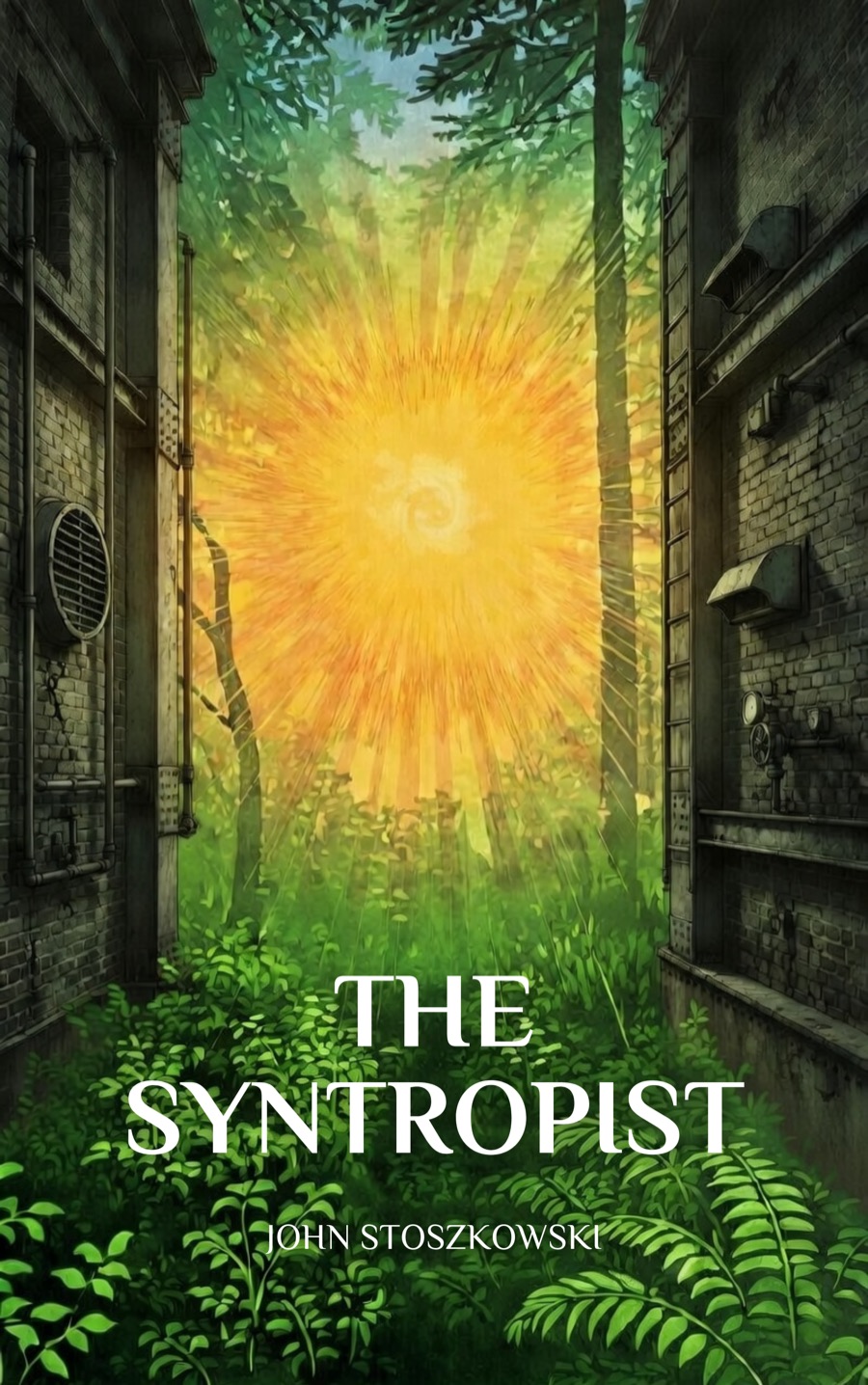 The Syntropist, paperback. One careful owner. Heavily underlined, a few arguments in the margins. Will swap for a better question.