Most people have no appetite for abstract, difficult philosophy, and who could blame them? Life is short, and reading the whole back catalogue probably wouldn’t settle much anyway. Calling philosophy a way of life doesn’t get you very far either. You still have to choose one, and then work out how the hell to live it.
I’ve spent a good part of my life reading books in search of answers. I’ve learned a lot, and I’m often as baffled as ever. There’s a pleasure in philosophy that doesn’t need to be useful, but some ideas won’t stay on the page. They follow you out of the book and turn up while somebody’s talking, or at the moment a decision you thought was obvious suddenly isn’t.
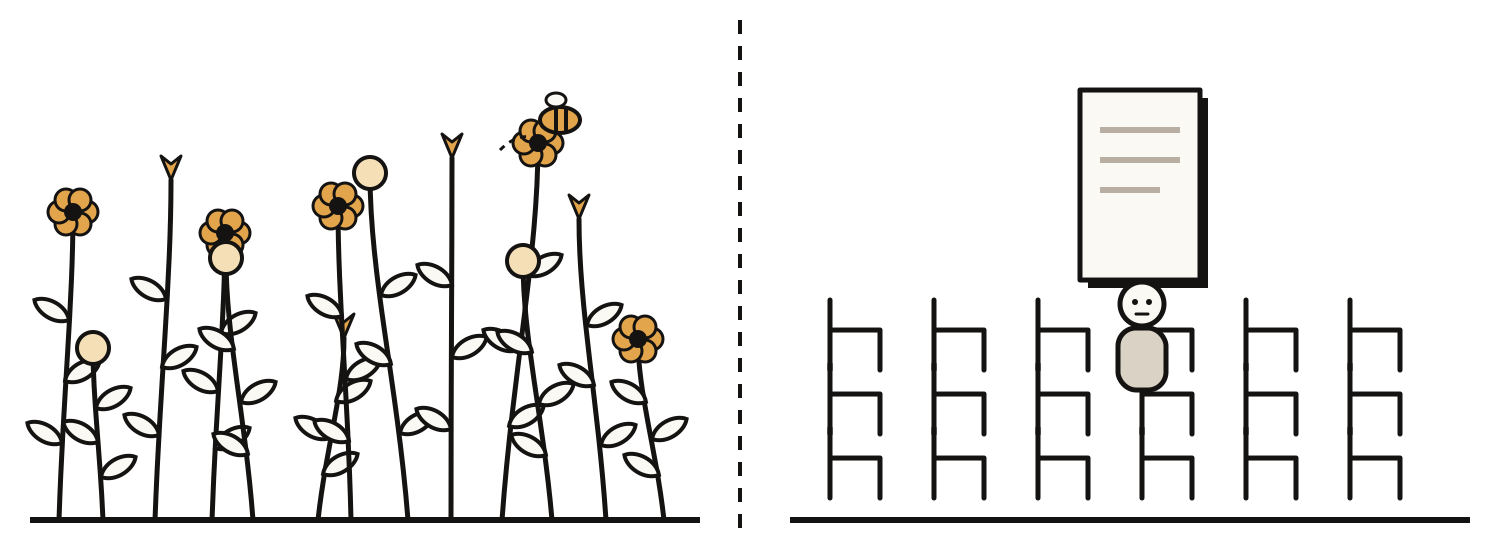
I’ve gathered some of them into eight bearings. Each one points towards something I think is worth paying attention to, and each comes with a trap, a familiar way of getting stuck. You’ll recognise some of them. Busyness passes for involvement, for one, and it’s easy to love an explanation so much that you stop noticing what it leaves out. I know these traps well because I fall into them too.
Take your time with whatever sticks, and argue with whatever doesn’t hold up. Whatever time I’ve got left, I mean to live it well, and this is some of what I’ve picked up along the way.
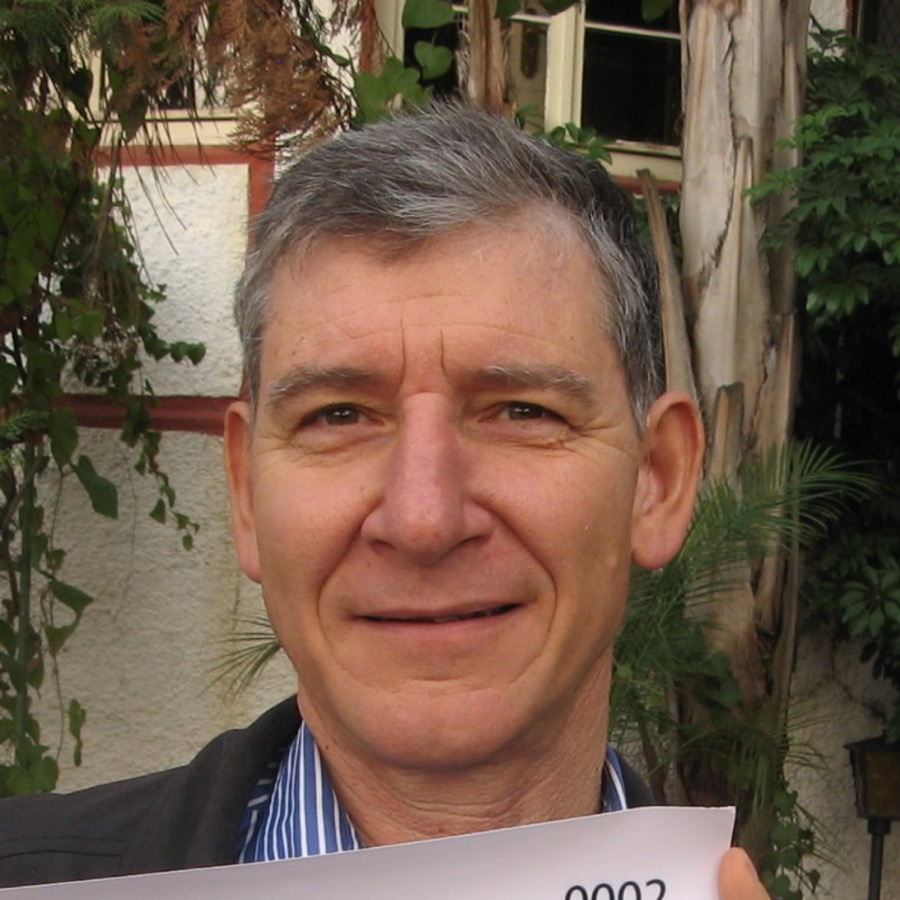
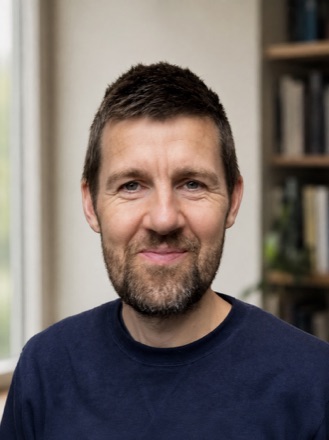
John
The idea
Leave a cup of coffee on the counter and it goes cold.
The heat drifts off into the room and never finds its way back.
That’s entropy, the second law of thermodynamics at work: left to themselves, things run down.
Living things hold their shape anyway, often in remarkably elaborate forms.
A wound heals, a tree adds another ring, and your body gets on with repairing itself while you’re busy thinking about what’s for tea.
None of this breaks the law. Living things take in energy from their surroundings and pay for their order in heat and waste.
A cup of coffeeA tree, adding a ring
The word
I use the word syntropy, from the Greek syn (together) and tropos (turning).
syntogethertroposturning
syntropy noun
The gathering and organising that keeps life going and lets it grow new capacities.
syntropology noun
The philosophy built on that idea.
syntropising verb
The practice of putting it to work.
I should say straight away that I don’t mean tidiness.
Leave a garden untended and it soon fills with life. Your plan for it is falling apart, but plenty else is thriving.
A perfectly orderly room can be a place where nobody dares say what they think, where everything’s in its place and nothing can happen.
Order is only worth what it makes possible.
Living things also break down what they can no longer use, and renewal usually costs something. A relationship may need to end. An idea you’ve defended for years may have to go.
Sometimes more life needs something to come apart first.
So syntropy is better thought of as order that leaves life somewhere to go.
Most advice about living well is about managing yourself. I keep coming back to the conditions you live in, and the ones you help to make, for yourself and for other people.
The question
If you remember one question from all of this, make it this:
Is this making more life, or less?
You can ask it of a habit, or of the way you spent yesterday.
Be careful what you count, though. Being busy isn’t the same as more life, and neither is growth, since tumours grow. Pleasure can’t settle it on its own either, because some of the moments that matter most really hurt.
By more life I mean something you can check.
Does this help you notice more of what’s happening, and respond to it?
Does it give something room to grow, or protect what would otherwise be lost?
And when you feel sure of the answer, ask one more thing:
For whom, and at whose expense?
An arrangement can work beautifully for one person and wear another out. None of this makes decisions any easier. These questions have a habit of turning up what you’d rather not see, and that’s the whole point of them.
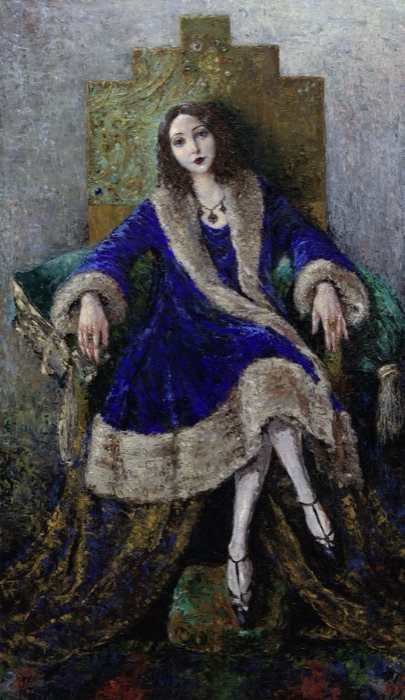
“Life is a process of becoming, a combination of states we have to go through. Where people fail is that they wish to elect a state and remain in it. This is a kind of death.”
Portrait of Anaïs Nin by Natashia Troubetskoia, about 1932. CC0.
The eight bearings
Eight places to ask the question.
Each bearing is somewhere to ask the question, and each trap shows what it looks like when the honest answer is less, even though it feels like more.
Choose a bearing, or just keep scrolling.
1
Bearing 1 of 8
Unfinishedness
Trap The settled view
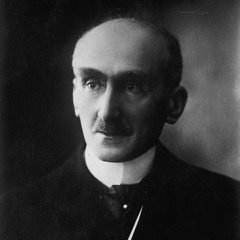
“To exist is to change, to change is to mature, to mature is to go on creating oneself endlessly.”
Nothing alive is finished.
That includes you and the person sitting opposite you. We’re quick to turn descriptions into identities all the same. Somebody’s a bad egg, or a crap golfer, and what happened once or twice becomes who they are.
The Tao Te Ching noticed this more than two thousand years ago. Lao Tzu points out that we’re born soft and supple and die hard and stiff, and that green shoots bend where dead wood snaps. When a view of yourself, or of someone else, has stopped bending at all, it’s worth asking whether it’s still alive.
We need these shortcuts. We’d never get through breakfast if everything had to be understood from scratch. The trouble is that a description left uncorrected for long enough starts to set, and then the map starts telling the territory what it’s allowed to become. Organisations are especially good at this. Somebody gets called “not a people person” in an appraisal, or “a safe pair of hands,” and the phrase follows them from one restructure to the next long after anyone remembers where it came from.
The bearing
Unfinishedness
Being unfinished doesn’t let you off deciding. You still commit, and you live with the consequences. What stays open is your willingness to think again.
I can plant my strawberries without pretending to control June, and a person can say: This is what I think, for now.
The trap
The settled view
The settled view is at its most comfortable when it’s about us. We love turning our own history into a sentence: I’m just not someone who…
There’s wisdom in that kind of sentence now and again, but more often it’s a tiny prison with good grammar.
I know this one from the inside. For a decent chunk of my working life I was an academic. I had the PhD and the papers, and when someone asked what I did, that was the answer, often before they’d finished asking. Over time it stopped being a description of my work and became a description of me, and it took me longer than I’d like to admit to notice it no longer fitted. When I left in 2020, it felt like finally correcting a sentence I’d been repeating for years. I’m still revising it now.

Daft Punk. Photo: Sony Music Entertainment, CC BY 4.0.
A daft punky thrash
Before they were Daft Punk, Thomas Bangalter and Guy-Manuel de Homem-Christo played in a band called Darlin’. In 1993 the Melody Maker critic Dave Jennings described one of their tracks as “a daft punky thrash.”
Melody Maker · 1 May 1993
“adaftpunkythrash”
The pair took two words from the review and named their new project after them. The put-down became raw material, and the music they went on to make gave those words a completely different meaning.
2
Bearing 2 of 8
Gathering
Trap Scatter
“My experience is what I agree to attend to.”
You become what you keep attending to.
A living thing can’t respond to everything around it at once, so it picks. A plant turns towards the light, and an animal will notice one movement in the grass while ignoring a thousand others.
The philosopher Alfred North Whitehead thought this went all the way down. For him every moment of experience is a kind of gathering, in which everything that has happened so far is taken up into something new. He put it in a sentence I keep coming back to: “The many become one, and are increased by one.”
We do the same, mostly without realising it. Care about something and you start seeing details that were there all along. It cuts both ways, mind. Nurse a grievance for long enough and the world will hand you fresh evidence for it every day of the week. Take up a craft and the opposite happens: a woodworker starts seeing grain in every table, and on the allotment you spot the one leaf that’s not right before anyone else would.
The bearing
Gathering
Gathering yourself is harder. It means disappointing some possibilities, leaving messages unanswered, letting certain things happen without you, and staying with something after the novelty has stopped doing the work.
Over a lifetime, the books you keep going back to and the people you’re most yourself around are gathering you, slowly.
The trap
Scatter
Scatter looks productive. It turns up as forty open tabs, seven priorities, half a conversation, and the strange conviction that checking your phone while someone’s talking still counts as listening.
You can spend a whole week touching things without really meeting any of them.
Forty tabs
Close them until one is left.
40 open
The allotment taught me more about this than any book. For years I’ve seen some people treat it as one more thing to fit in, nipping up for half an hour between other jobs, and it showed. Things bolted, the slugs had a field day, and the weeds broke their spirit. The ones who see it start to come good give it whole mornings and begin to notice things, like which corner stays wet after rain and when the frogs move in.
It can go wrong, too. An obsession holds a life together by shutting nearly everything else out. Every so often a walk with no destination, or a conversation you hadn’t planned, will show you what all that concentration was missing.
Iain McGilchrist offers a useful way of thinking about why. He describes two kinds of attention, which he links to the two hemispheres of the brain. One is narrow and focused, good for grabbing hold of a thing and using it. The other is broad and open, taking in the whole scene and how everything in it relates. We need both. The trouble starts when the narrow kind takes over and forgets it was ever part of something bigger. Gathering well means letting the wide view decide what deserves the narrow one.
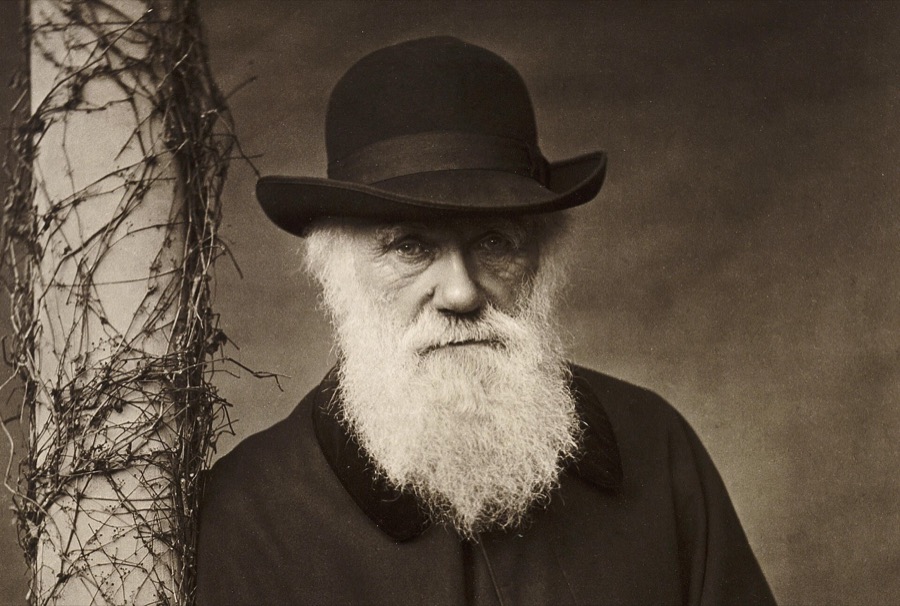
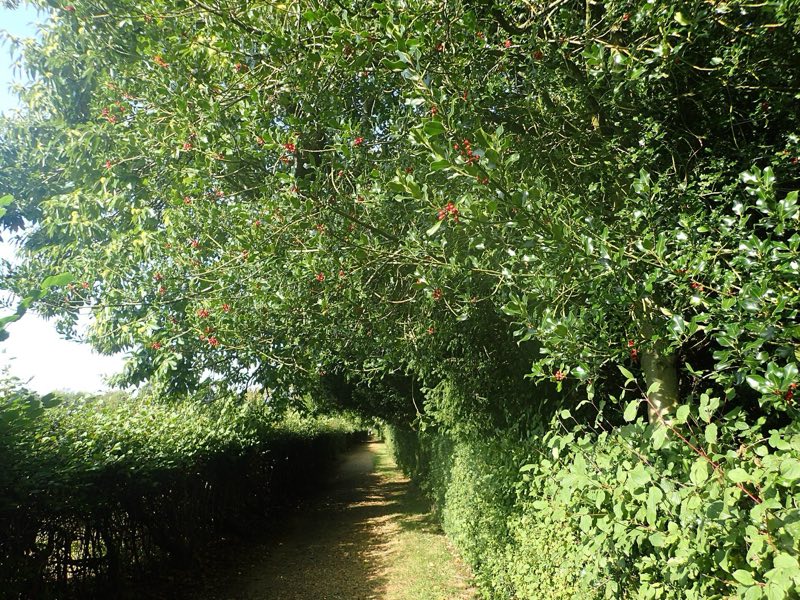
Charles Darwin, 1881. Photo: Elliott and Fry, public domain. The Sandwalk. Photo: Marathon, CC BY-SA 2.0.
A heap of flints
Soon after moving to Down House in 1842, Charles Darwin made a sandy path around a small wood in the far corner of his grounds, and he walked it most days for the rest of his life. At one turn he kept a heap of flints. Each time he came round he kicked one out onto the path, so the flints kept count and he didn’t have to.
No laps yet
The path went nowhere. It just brought him back, lap after lap, to whatever he was turning over, whether that was barnacles, orchids, earthworms, or the origin of species. Some of those questions stayed with him for decades.
Going round in circles is underrated.
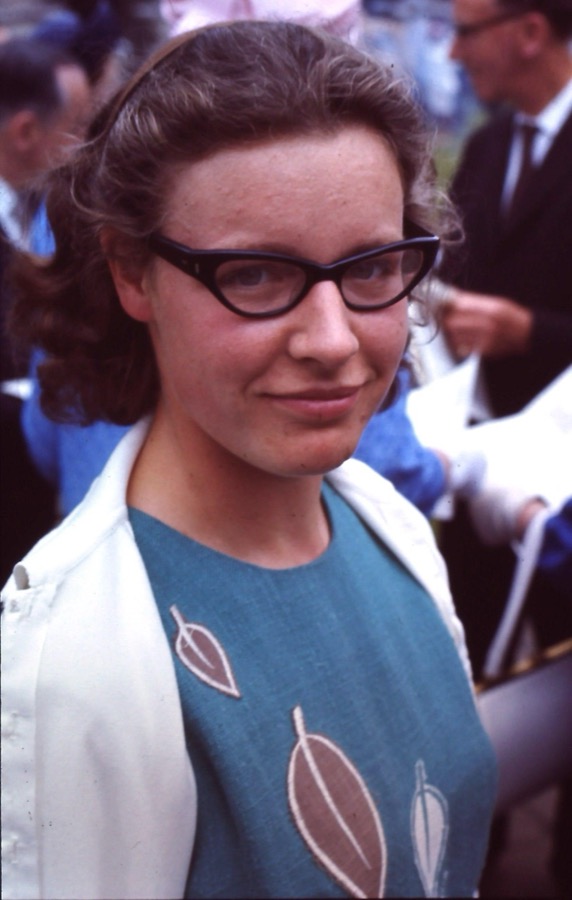
Jocelyn Bell, 1967. Photo: Roger W. Haworth, CC BY-SA 2.0.
A bit of scruff
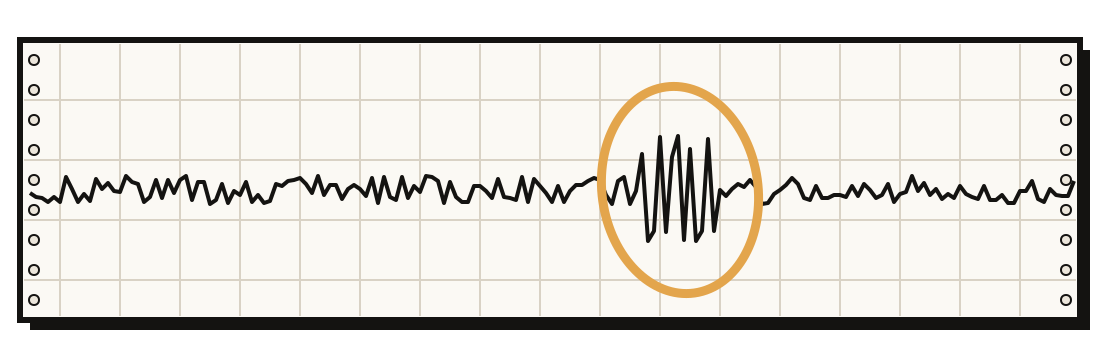
In 1967 Jocelyn Bell, a research student at Cambridge, was checking a new radio telescope’s output by hand, which meant reading about 120 metres of paper chart every four days. Among the markings she noticed what she called “scruff,” a signal that didn’t look like interference or anything else known.
She kept going back to it, and it turned out to be the first known pulsar, a collapsed star sending regular pulses across space.
Before there was a discovery, there was something awkward on the chart.
3
Bearing 3 of 8
Coherence
Trap Rigid control
“From different tones comes the fairest tune.”
Every living thing has to hang together somehow.
The question is how its differences fit. Your heart doesn’t get any better by behaving like your liver. The same goes for a life. You can care deeply about your work and still want an afternoon where nothing whatsoever gets done. Coherence is what lets the parts of a life answer to one another, so that no single concern has to silence the rest.
The biologist Mae-Wan Ho spent much of her career on what that kind of coherence looks like in a living body. In her account, an organism holds together because its parts are in constant communication, each responding to the rest, so the whole can act as one while every part keeps doing its own job. No single cell is in charge. In a coherent organism, she thought, each part has the most freedom and the whole holds together best, which is about as far from rigid control as you can get.
The bearing
Coherence
You can usually hear when coherence is alive. Disagreement changes the conversation instead of ending it, and people act without waiting for permission while staying alert to what their actions mean for everyone else.
In a circuit, a good conductor passes the current on without holding on to it, and in an orchestra a good conductor helps the musicians hear one another.
The trap
Rigid control
With other people, rigid control is a tempting shortcut. Approve every decision and make disagreement expensive, and before long the place looks wonderfully aligned.
Underneath, though, people stop using their judgement and learn to wait. The person at the centre becomes indispensable and starts mistaking everyone’s dependence for coherence.
I’ve been that person at the centre. When I was running programmes at the university, I liked being the one everyone came to, and I told myself it was because I cared about getting things right. Some of it was. A fair bit of it was that being needed felt good. It took me being off for a fortnight, and the whole thing carrying on perfectly well without me, to see how much I’d been holding on to.
A test for Monday morning
If you’re responsible for other people, at work or at home, here’s a test.
Since you took charge, are more people acting on their own judgement, or fewer?
If the answer’s fewer, the place may look aligned while it slowly loses the judgement it runs on.
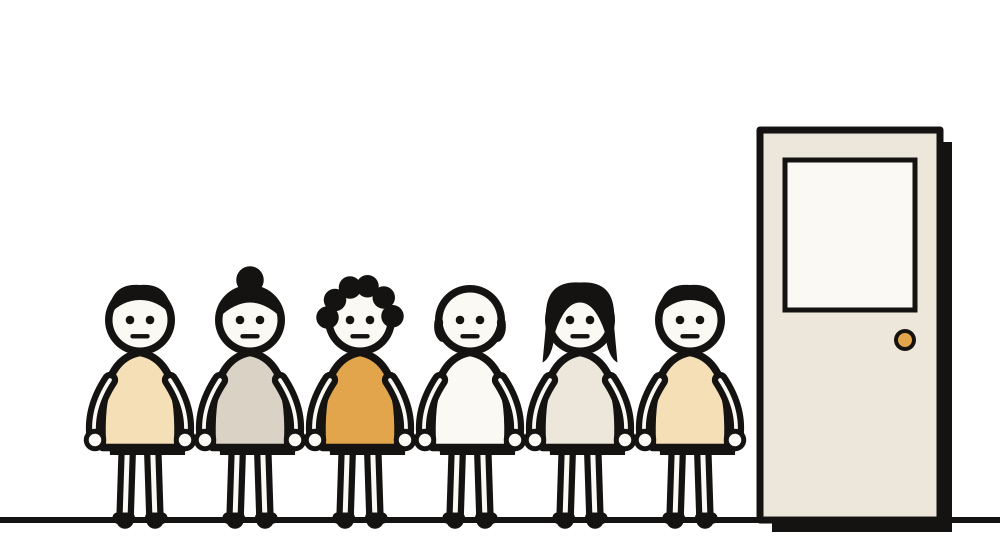
The queue outside her door
A founder prided herself on being available. Every decision found its way to her desk, and she answered them all, quickly and well. Then she tried an experiment. For a month, whenever someone brought her a decision, she asked what they would do and let them do it.
The first fortnight was uncomfortable, and two calls went badly. By the third week the queue outside her door had shortened, and people had started talking to each other first. At the end of the month she said the company felt bigger, even though nobody new had been hired.
Names and identifying details have been changed.
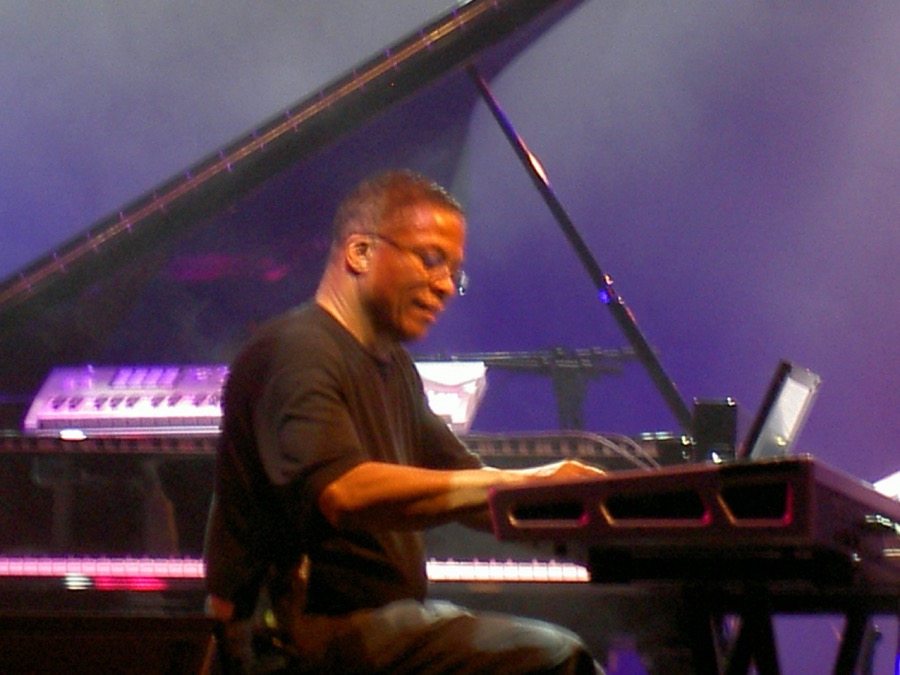
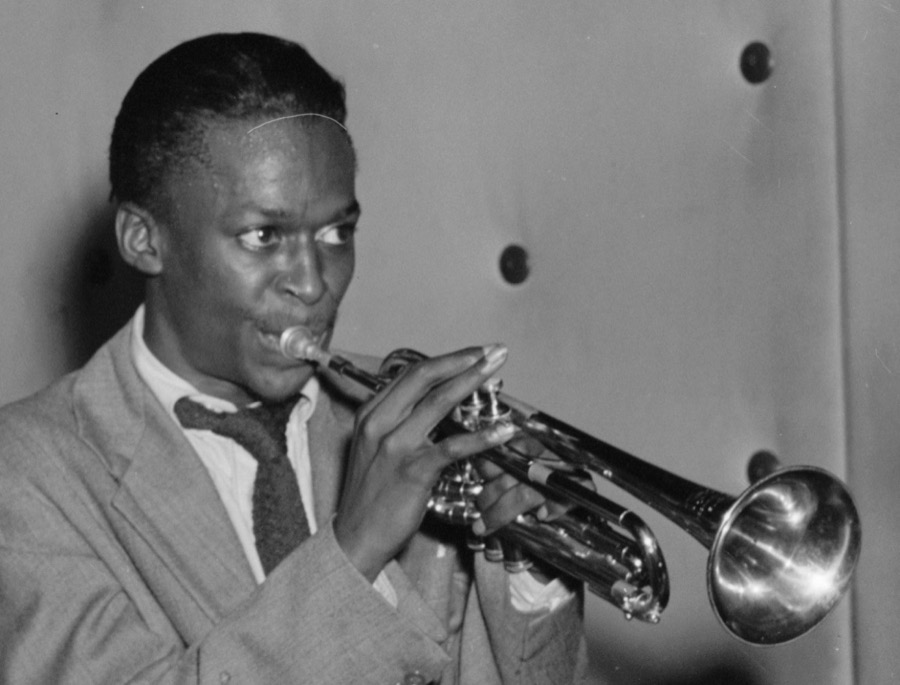
Herbie Hancock. Photo: Werner Nieke, CC BY 2.0. Miles Davis. Photo: William P. Gottlieb, public domain.
The wrong chord
During a concert in the 1960s, Herbie Hancock played a chord so wrong he thought he’d wrecked the performance. Miles Davis took a breath, then played a line that made the chord sound right.
The chord had already sounded and nobody could take it back, but what Davis played next changed what it meant. Hancock said later that Miles hadn’t heard it as a mistake. He heard it as something that had happened, and answered it.
4
Bearing 4 of 8
Energy
Trap Glorified depletion
“Energy is Eternal Delight.”
For about three years I looked as though I was in the best shape of my life, and I felt horrific.
I’d decided I would be in better shape at forty than twenty one, and done everything the people explaining how to get healthy told me to do. I looked disciplined, and the mirror said it was working. When I felt worse, I assumed I wasn’t trying hard enough, so I pushed harder. I got leaner, and took feeling worse as proof I was getting somewhere.
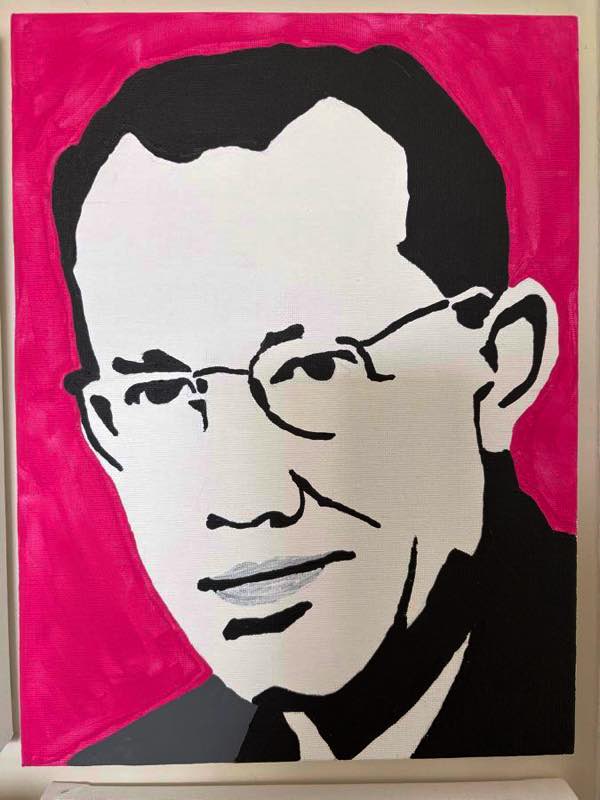
Eventually the biologist Ray Peat’s work on energy and metabolism made me question the whole project. I’d become more interested in making my body meet a specification than in paying attention to the life I was living in it. That’s an easy mistake to make well beyond the gym.
This is my own story. It isn’t a diagnosis, or evidence that any dietary approach works the same way for everyone.
The bearing
Energy
Nothing gets built for free. A wound needs energy to heal, and thinking burns fuel. So does staying patient when you’d rather say the first stupid thing that comes into your head.
Rest is part of the point. There should be something left over for the pleasure of being here.
The trap
Glorified depletion
We admire people who keep going, and we’re much less curious about what keeping going is costing them, or whether they’re allowed to stop.
That’s glorified depletion: exhaustion worn as proof of commitment.
Ray Peat’s way of putting this was that energy and structure go together. A well-energised cell can repair itself and adapt, and when energy runs low it loses some of that capacity and falls back on defending itself. Stress, as he saw it, is largely what happens when demand outruns the energy available to meet it. That’s why glorified depletion costs more than tiredness. Run low for long enough and what you’re able to become starts to narrow.
Most of us also spend an enormous amount of energy bracing ourselves, whether that’s anticipating trouble or just holding it together through another hard week. Sometimes that’s necessary, and getting through a day can be an achievement in itself. But brace for long enough and there’s nothing left for anything else, until even the things you love start to feel like demands. When that happens, look at the conditions before you reach for more discipline.
I see this a lot in people I know, and I’ve been there myself. The ones who are struggling rarely lack commitment. If anything they’ve got too much of it, and they’re running a team and a family on reserves that ran out some time ago. What helps tends to be duller than any productivity system, like a proper lunch, or a calendar with some gaps left in it.
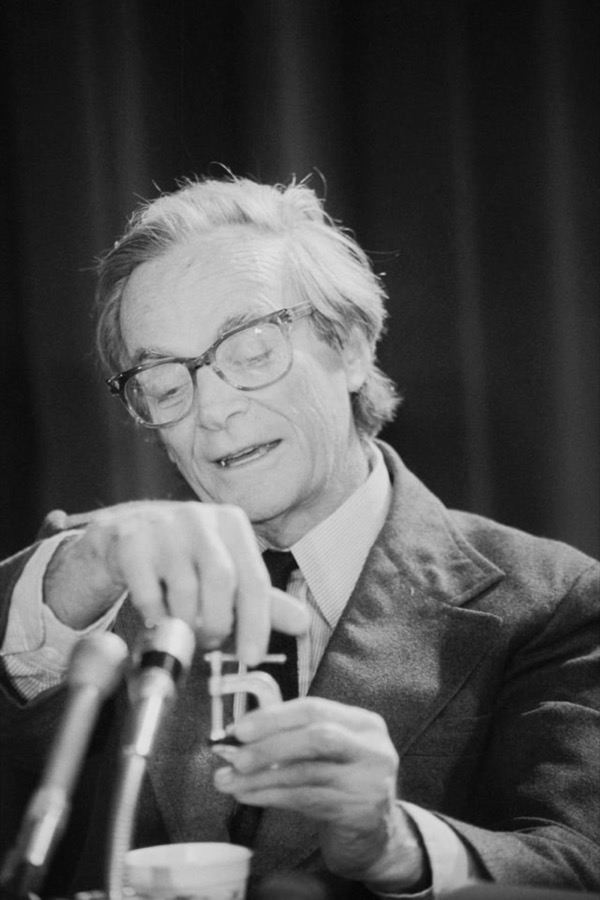
Richard Feynman. Public domain.
Just for the fun of it
At Cornell after the war, Richard Feynman found physics had gone stale on him. He decided to stop worrying about whether his work mattered and play with it instead. Soon afterwards someone in the cafeteria tossed a plate into the air, and Feynman watched it wobble and spin and worked out the equations for fun.
When Hans Bethe asked what the point was, Feynman said: “There’s no importance whatsoever. I’m just doing it for the fun of it.” He later traced the work that won him a Nobel Prize back to that wobbling plate.
5
Bearing 5 of 8
Participation
Trap Spectating
“The world is not what I think, but what I live through.”
Some things can only be known from the inside.
You can read every book ever written about painting, but at some point you still have to put paint on paper and watch it do something you didn’t plan. No psychology textbook contains your friend, and no map contains walking through the place in the rain.
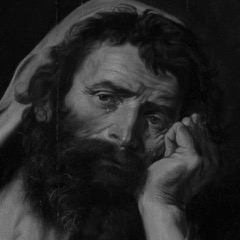
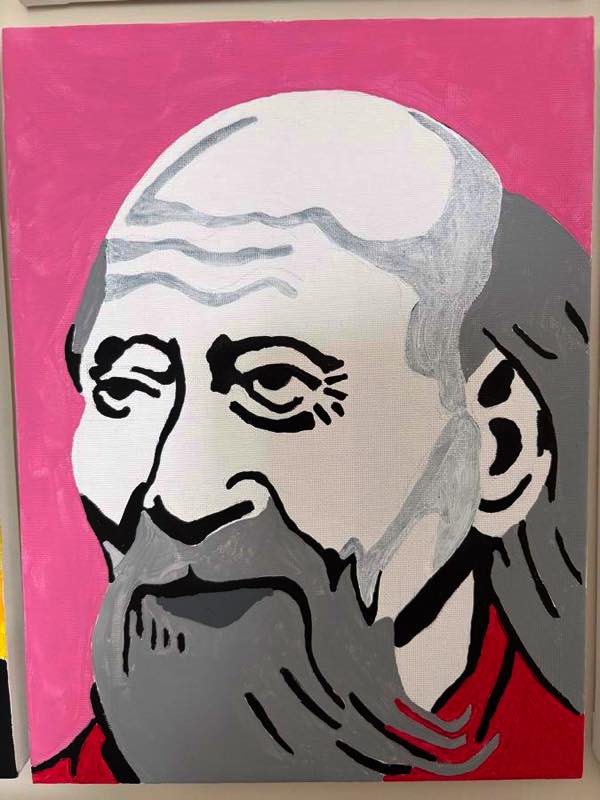
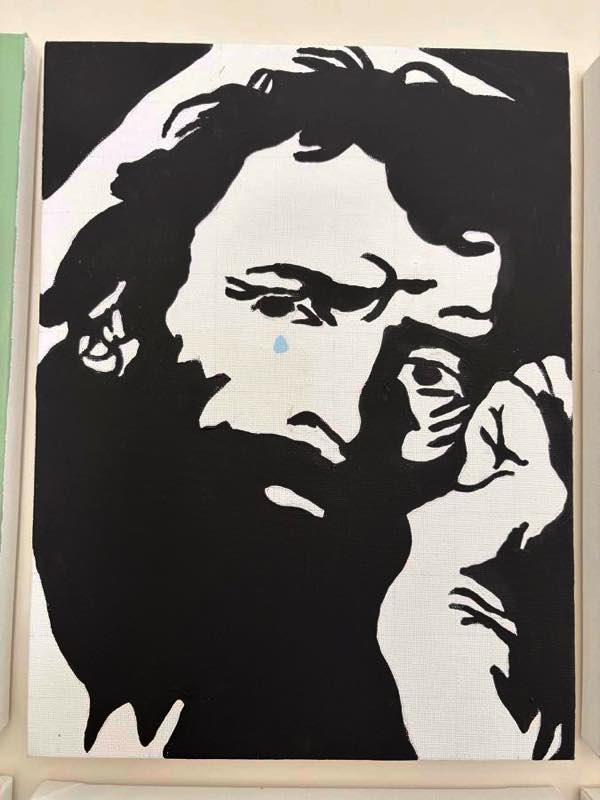
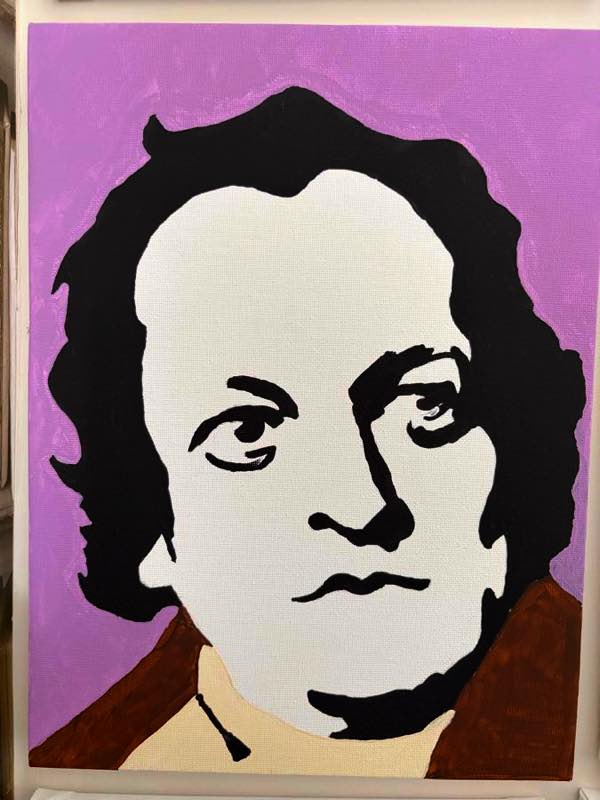
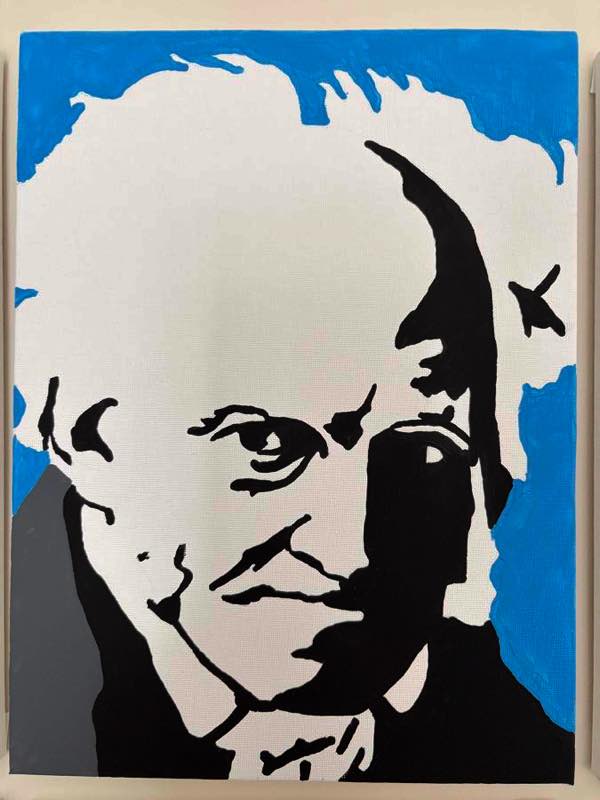
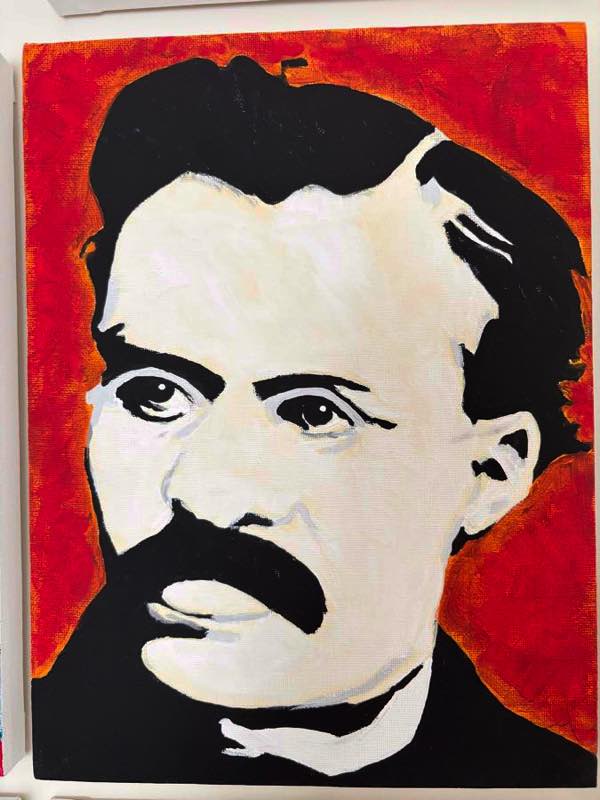
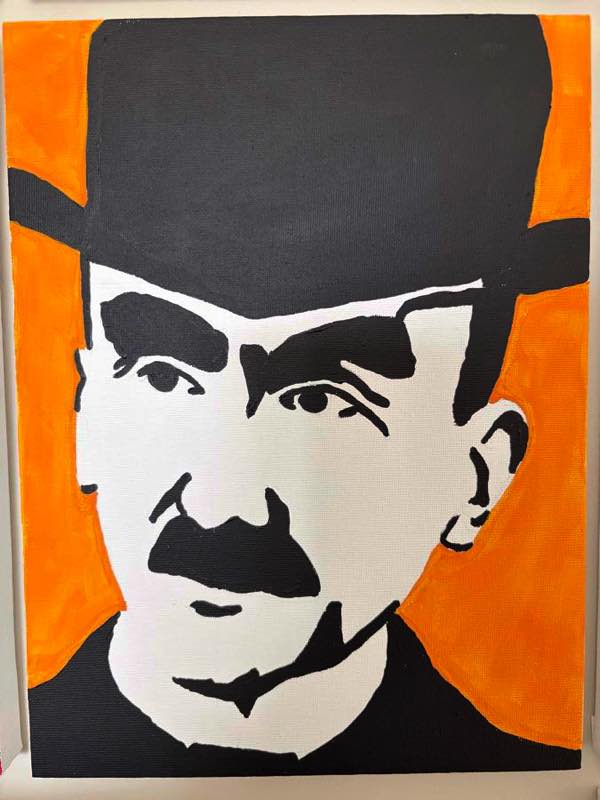
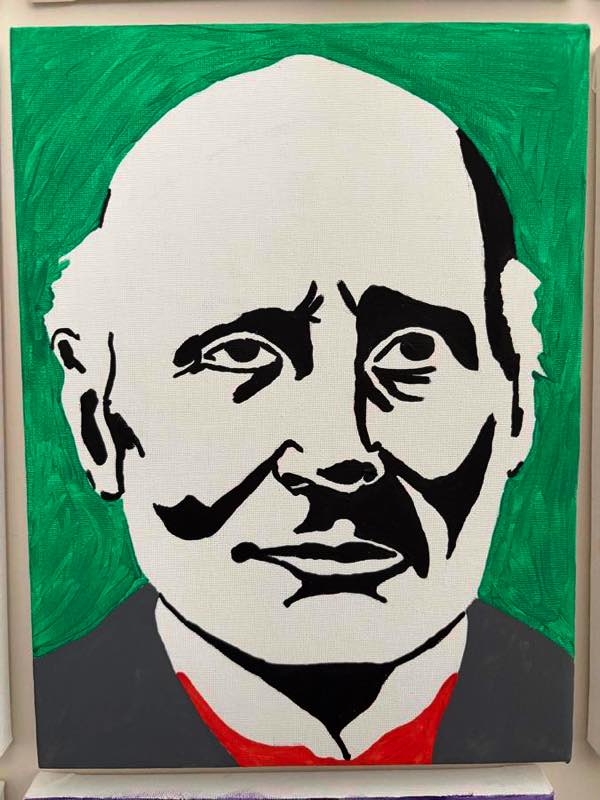
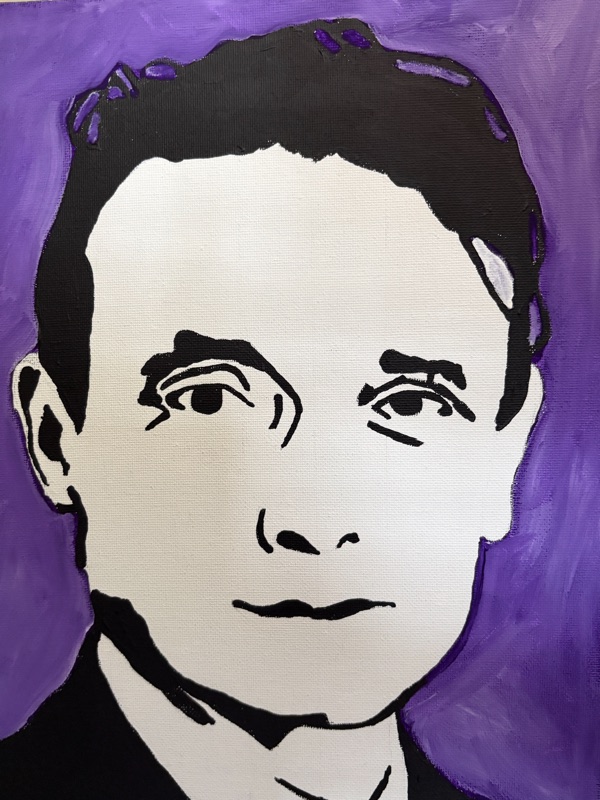
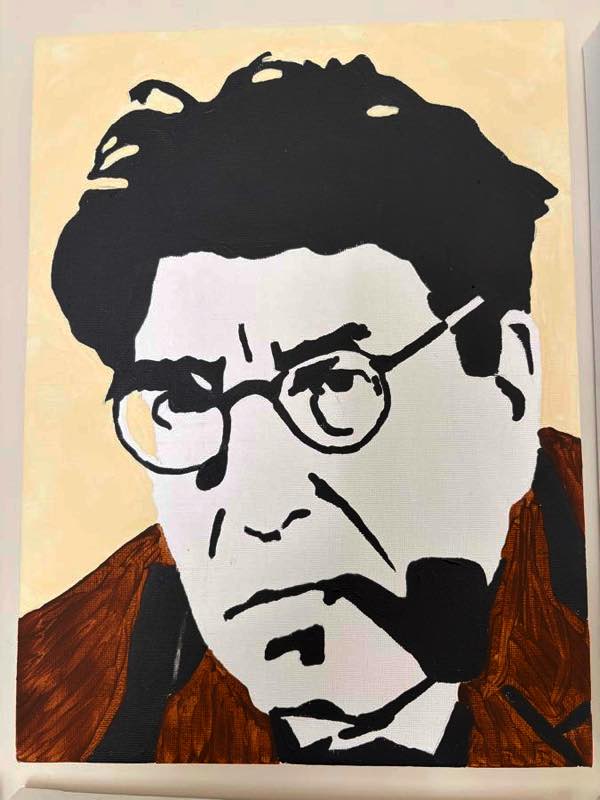
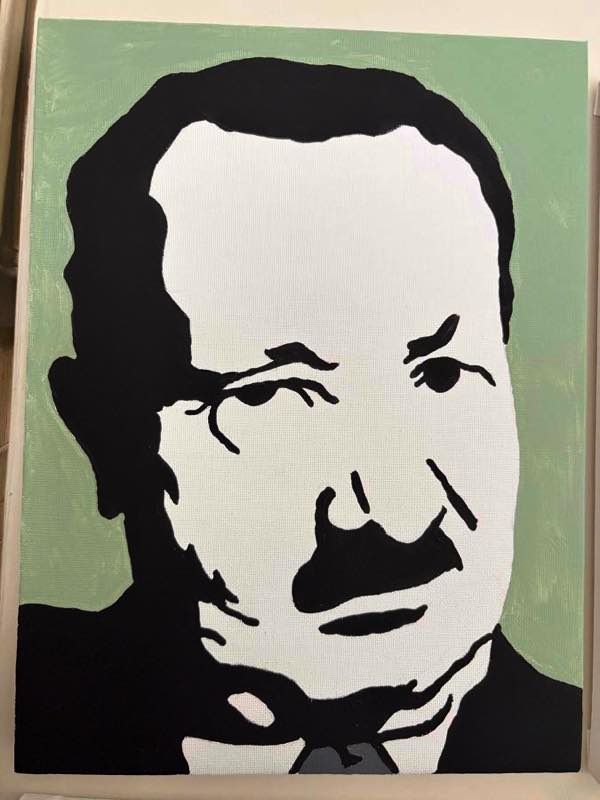
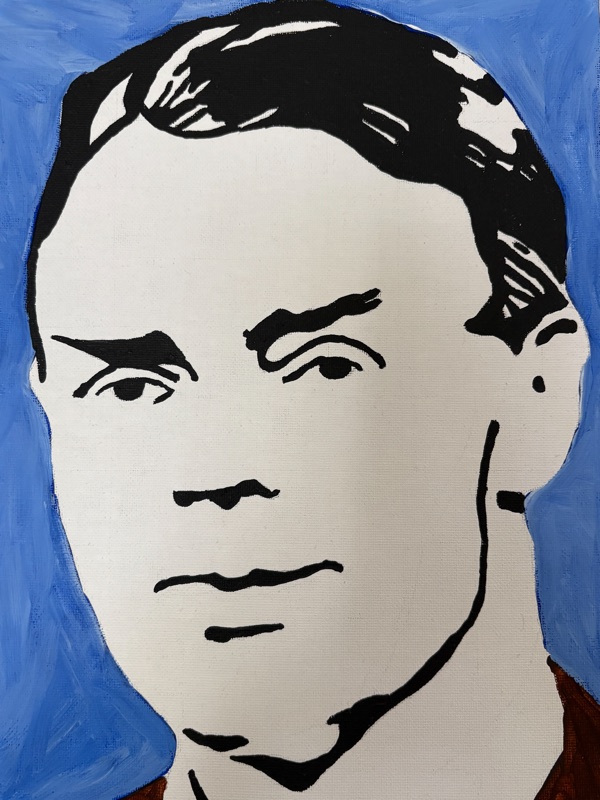
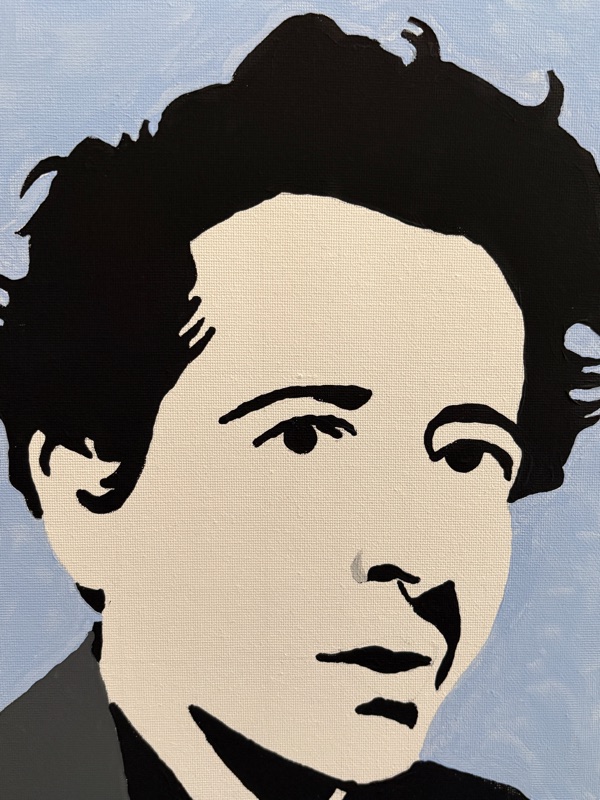
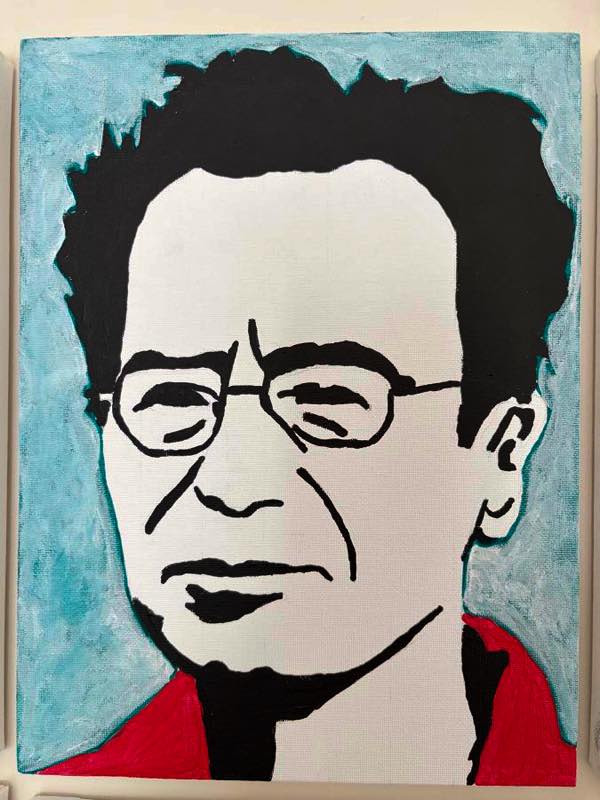
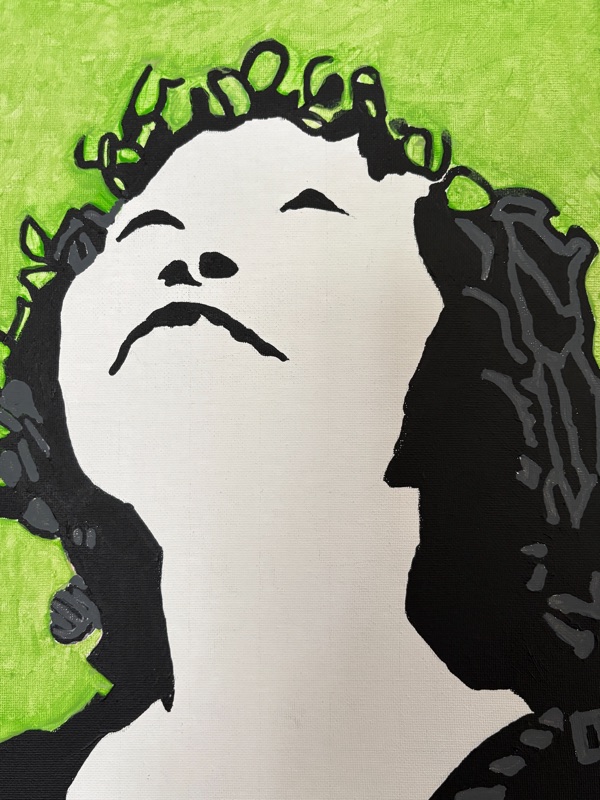
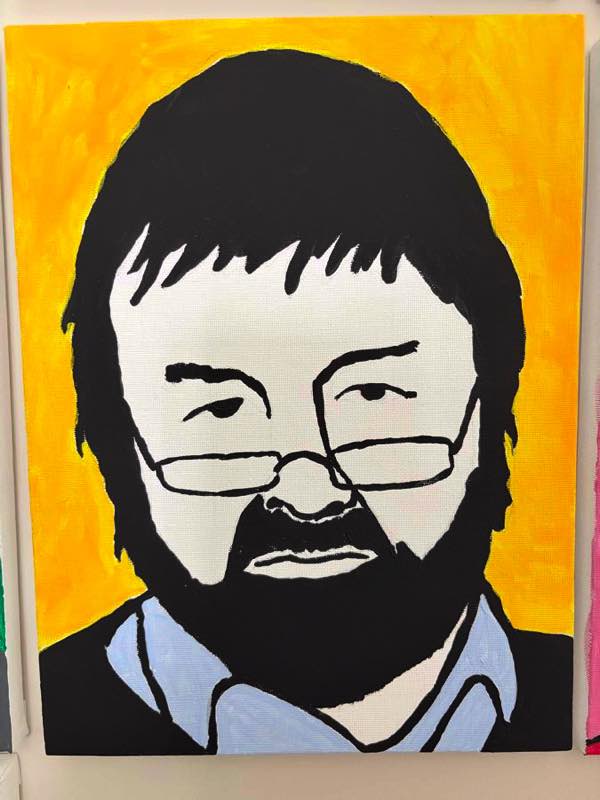
I learned this painting the portraits further down this page. I’d looked at hundreds of faces in paintings and thought I understood how they worked. Then I tried to paint Heraclitus and spent an evening finding out I didn’t. The paint pooled where I didn’t want it, and a shadow under one eye made him look like he’d been in a pub fight. Every portrait taught me something no amount of looking had, and most of it I still couldn’t put into words.
The chemist and philosopher Michael Polanyi had a name for this. He called it tacit knowledge, and summed it up in one line: “we can know more than we can tell.” Think of riding a bike, or picking out a friend’s face in a crowd. You know how to do it, and you’d struggle to explain how.
Spectating is so much easier. From the outside you can analyse and advise, and keep your clothes clean.
Take part and reality gets a vote. Some of your ideas turn out to be wrong, you misjudge the timing, or the material just won’t do what you want.
The bearing
Participation
You’re changed by the contact, which is exactly why it feels risky. Your friend is always more than what you know about them.
The next step might be to read more carefully, or to stop preparing and get your hands dirty. Either way, something has to be allowed to answer back.
The trap
Spectating
Books and other people’s accounts can take us far further than our own experience ever could, and they only go wrong when the explanation replaces the looking.
We learn the terminology and what people usually say, and before long knowing the account feels like knowing the thing.
Owen Barfield thought the spectator’s seat was somewhere modern people had drifted into over centuries. In Saving the Appearances he argued that earlier peoples experienced themselves as participants in the world around them, and that we’ve gradually withdrawn to the edge of the picture, looking in. That withdrawal gave us a great deal, science included. It also left many of us feeling like visitors in our own lives, and Barfield thought the task now was to find our way back in, with our eyes open this time.
Barbara McClintock, 1947. Smithsonian Institution, public domain.
One crop a year
From 1941, Barbara McClintock grew maize at Cold Spring Harbor on Long Island, following each plant from seedling to harvest. “I know every plant in the field,” she told her biographer. Maize only gives two crops a year, and she found even that too fast: to see everything there was to see, one crop was all she could handle. Watching that closely, she saw genes do something almost nobody thought possible. They moved.
When she presented the work in 1951, it met more puzzlement than understanding. She was awarded the Nobel Prize in 1983, after moving genes had turned up in bacteria and beyond.
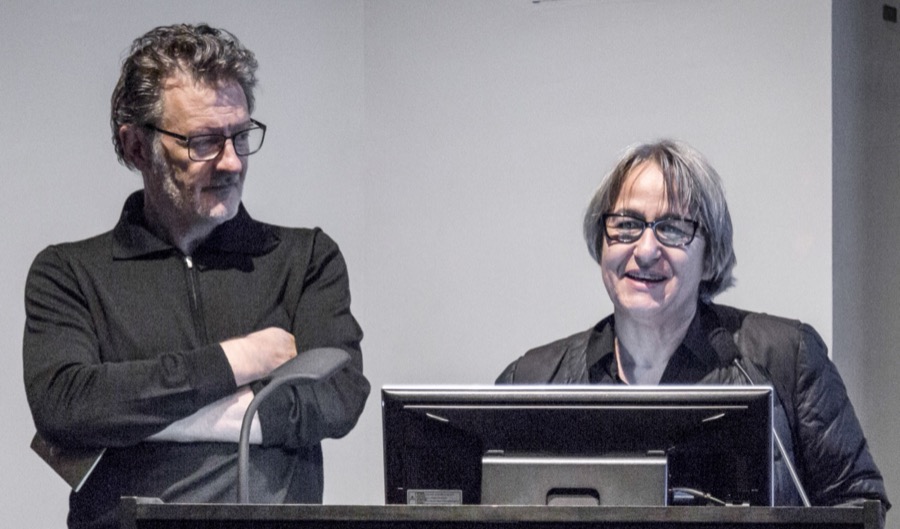
Anne Lacaton and Jean-Philippe Vassal. Photo: GSAPPstudent, CC BY-SA 4.0.
Leave the square alone
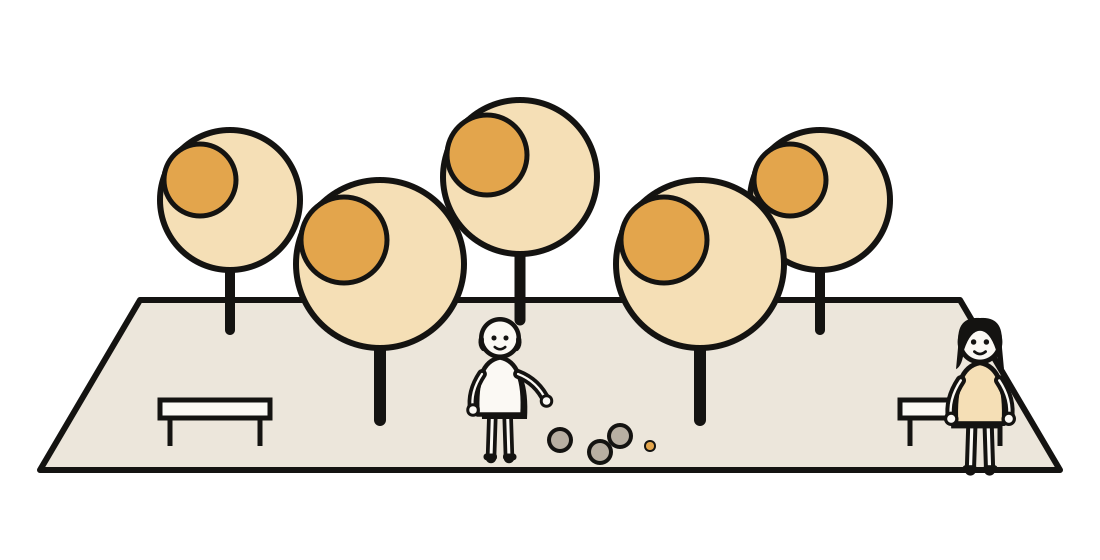
In 1996, Bordeaux asked the architects Anne Lacaton and Jean-Philippe Vassal to improve Place Léon Aucoc, a small square with trees, benches, and a pétanque pitch. They spent time there first, watching and talking to the people who used it, and concluded that the square already had what a redesign struggles to create: people were at home in it.
So they proposed almost nothing. Renew the gravel, care for the trees, and clean it more often.
Paying attention had changed the brief.
6
Bearing 6 of 8
Freedom
Trap Licence
“Play is a strange oasis, a dreamy resting point for restless wandering and continual flight. Play gives us the present.”
Eugen Fink. Photo: Willy Pragher, Landesarchiv Baden-Württemberg, CC BY 3.0 DE.
We tend to picture freedom as an empty diary.
With no boss and nobody telling you what to do, that can be freedom. It can also be a Tuesday afternoon with no idea what to do with yourself. Lifting a restriction can matter enormously, but permission on its own doesn’t give you the means to act.
Put somebody who’s never played music in front of a piano. There are eighty-eight keys, and not one of them opens anything for them.
Now sit a concert pianist at the same keys, with exactly the same constraints, and it’s a different universe.
Play a key or two. Then swap who’s sitting at it.
Freedom is capacity, the moves actually open to you, and capacity has to be built.
That’s the part we’d rather leave out. I learned this behind a pair of decks. When I started, mixing two tunes felt like trying to pat my head and rub my belly while someone shouted at me. Every option was technically open and almost none of them was available. It took hours of practice, most of it sounding terrible, before I could hear when two tracks were drifting apart and nudge them back together. That’s when it started being fun, because I finally had something to choose with.
The bearing
Freedom
Practice turns the impossible into the available. A commitment buys the time and trust to reach things that endless fresh starts never will.
Choosing closes doors, but it can also open some you’d never reach while you’re keeping every option open. You give something up and a deeper range appears.
The trap
Licence
Licence asks what you’re allowed to do and leaves it at that. Freedom goes on to ask whether you can stand behind what you’re doing it for.
And capacity is rarely something we build alone. When somebody lacks the means to act, telling them they’re free is a way of leaving them to it.
The German philosopher Eugen Fink, who worked alongside Husserl and Heidegger, thought play showed this better than anything. A game is full of rules.
No lines yet. The ball can go anywhere, so nothing it does counts, and nobody’s quite sure what to do.
There’s a painted line on the ground, and a ball that goes over it is out, however much you argue the toss. Yet nobody on a five-a-side pitch feels less free for having them.
The rules are accepted freely, and they’re what make the game possible in the first place, opening up a space where skill and imagination have room to work. Fink called his 1957 essay on play Oasis of Happiness, and part of the happiness, I think, is that for once the limits and the freedom are pulling in the same direction.
Rudolf Steiner wrote a whole book about this, The Philosophy of Freedom, before he became better known for other things. For Steiner you’re free when you act out of your own understanding of what a situation needs, instead of out of habit or whatever impulse happens to be loudest. Freedom in that sense takes work. You have to see clearly enough to know what the moment asks of you, and care enough about the act itself to want to do it.
Steiner didn’t stop at the individual, though. His summary of the free life has two halves: act out of love for what you’re doing, and let other people act out of their own understanding of what they want. The room you make for yourself can’t be your only concern. Other people need room to decide what their lives are for, too, especially when it inconveniences you.
Django Reinhardt. Photo: William P. Gottlieb, public domain.
Two fingers
In 1928 the jazz guitarist Django Reinhardt was badly burned in a caravan fire. The two smallest fingers of his left hand, the hand that presses the strings, were left curled and barely usable, and it wasn’t clear he’d ever play again. His brother Joseph brought him a guitar anyway, and over the months that followed Reinhardt rebuilt his technique around what he had left.
He played his solos with two fingers, running his lines up and down the neck where they could manage, and pressed the damaged fingers into service for chords. By 1934 he was co-leading the Quintette du Hot Club de France with the violinist Stéphane Grappelli.
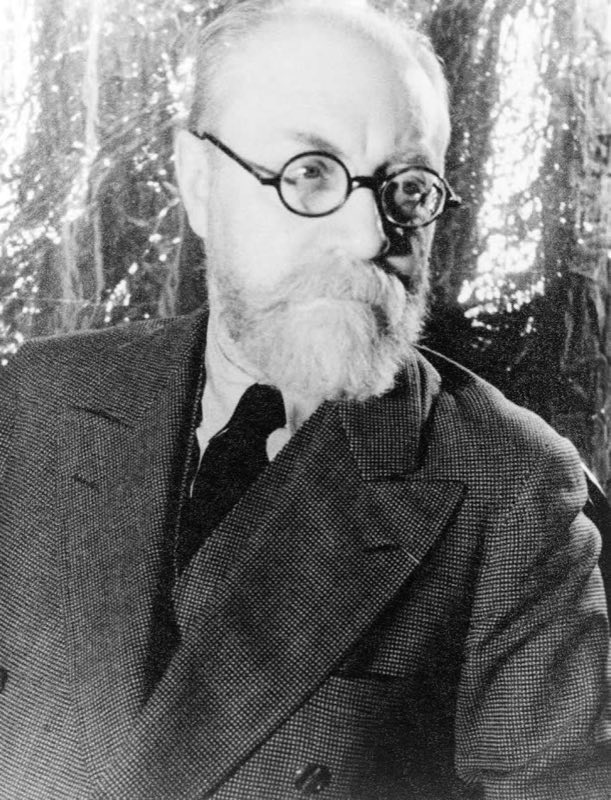
Henri Matisse, 1933. Photo: Carl Van Vechten, public domain.
A garden on the wall
In his last years, the French visual artist Henri Matisse was often too ill to go out, so he made a garden indoors. His assistants painted sheets of paper, Matisse cut leaves, birds, and fronds from them, and the assistants pinned the shapes to his walls, moving them about until he was satisfied.
The result, The Parakeet and the Mermaid, spreads across two walls. He described it as a garden he could walk in.
7
Bearing 7 of 8
The Not-Yet
Trap The forecast as fate
“Thinking means venturing beyond.”
A forecast tells you what’s likely to happen if conditions hold. That’s useful, right up until you forget that the conditions can change, and that you might be one of the things changing them.
The German philosopher Ernst Bloch gave a name to what hasn’t happened yet but could grow out of what’s happening now. He called it the Not-Yet. An honest conversation may be possible in a friendship that couldn’t have taken it a year ago. An interest you keep coming back to may be ready to become a serious commitment. These are possibilities with a foothold.
Hannah Arendt came at the same thing from another angle. She pointed out that every person who’s born is a new beginning, somebody who has never existed before, and that each of us carries that capacity to begin into everything we do. She called it natality, and she saw it as the root of all real action. Whatever the forecasts say, people keep doing things that couldn’t have been predicted from what came before, and hope gets its footing there.
An acorn has possibilities, though not every possibility.
Given decent conditions, it can become…
Given decent conditions it can become an oak. But the tree isn’t packed inside it in miniature, waiting. Its shape comes from a life spent growing somewhere in particular.
It won’t become a fox.
There’s direction without a complete script, and that’s part of what I mean when I say life leans forward. The future is open, just not equally open in every direction.
The bearing
The Not-Yet
Hope looks at what those conditions allow, and which of them could change.
Some possibilities need a skill you don’t have yet, or another person, and plenty of what you can’t do alone comes within reach with help.
The trap
The forecast as fate
Forget that the conditions can change, and the probable quietly becomes the whole of the possible. That’s the forecast as fate.
None of this guarantees anything. Evidence and criticism still matter, because they’re how you tell a real possibility from a wish.
We’re more complicated than acorns. We can question our purposes and change some of what shapes us, but we still start somewhere, with the abilities, people, and limits we’ve got.
Writing The Syntropist was like that for me. For years it was an idea I kept coming back to on walks through the cemetery with Dudley, a Not-Yet with a foothold. It turned into a book once I started treating it as something that could actually happen, and then did the unglamorous work of writing most mornings until it had.
Uncertainty just leaves work to do, whether that’s supporting something that’s already beginning or starting something that changes what can happen next. You don’t need the whole future worked out before you take part. What you do is part of what shapes it.
Tony Rinaudo. Photo: Tony Rinaudo, CC BY-SA 4.0.
The forest underground
In the early 1980s the agriculturalist Tony Rinaudo was working in Niger, where tree planting kept failing. One day he looked properly at something he’d walked past many times.
What seemed to be a small bush was a tree growing back from a stump, and under the bare land the roots were still alive. Working with farmers, he spread a simple practice of choosing the strongest shoots, pruning them, and protecting them. It has since spread far beyond Niger.
8
Bearing 8 of 8
Aliveness
Trap Wellness theatre
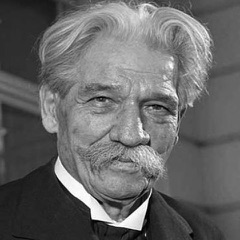
“True philosophy must start from the most immediate and comprehensive fact of consciousness, which says: ‘I am life which wills to live, in the midst of life which wills to live.’”
This is where the other seven bearings have to earn their place. What difference do they actually make to the life being lived?
Aliveness is harder to put on display.
You recognise it in a conversation that becomes more honest than anyone expected, or an evening that runs long because nobody wants to leave. A room or a piece of music can have it too.
But all this would have gone badly wrong if aliveness became one more standard that tired or suffering people fail to meet. Nobody has to become more capable to deserve care. Sitting with someone who is dying may open no grand future, but it can make the life being lived less lonely, and that counts as much as starting something new. So does looking after what’s already here. A task doesn’t deserve less attention because it’s familiar, and repair can make more possible than replacement.
Most of the aliveness in the world is carried by people nobody photographs, like the neighbour who checks in on someone, or the nurse working nights. Their work rarely looks like vitality from the outside, and it’s often exhausting, but it’s a big part of why other lives stay liveable.
The bearing
Aliveness
Schweitzer puts each of us among other lives, and they have a claim on our attention even when they’re no use to us.
So look at what’s happening around you. Can other people speak freely? Are you leaving room for lives whose purposes differ from yours?
The trap
Wellness theatre
We’ve got good at collecting the appearance of vitality: the retreat, or the photograph beside an expensive lake. Call it wellness theatre.
None of it is foolish in itself, but it makes it easy to avoid looking at the rest of the day. You can meditate every morning and make everyone around you miserable.
Nietzsche had a test for this kind of thing. Of any value or habit, he wanted to know whether it says yes to life or quietly turns against it, and he was suspicious of anything that dressed up tiredness or fear as virtue. Wellness theatre would have given him plenty to work with. The question he’d put to a practice is whether it helps you live more fully, or mostly helps you look as though you are.
Your own life belongs among those other lives too. Look after it, just without treating everyone else as fuel for keeping yourself going.
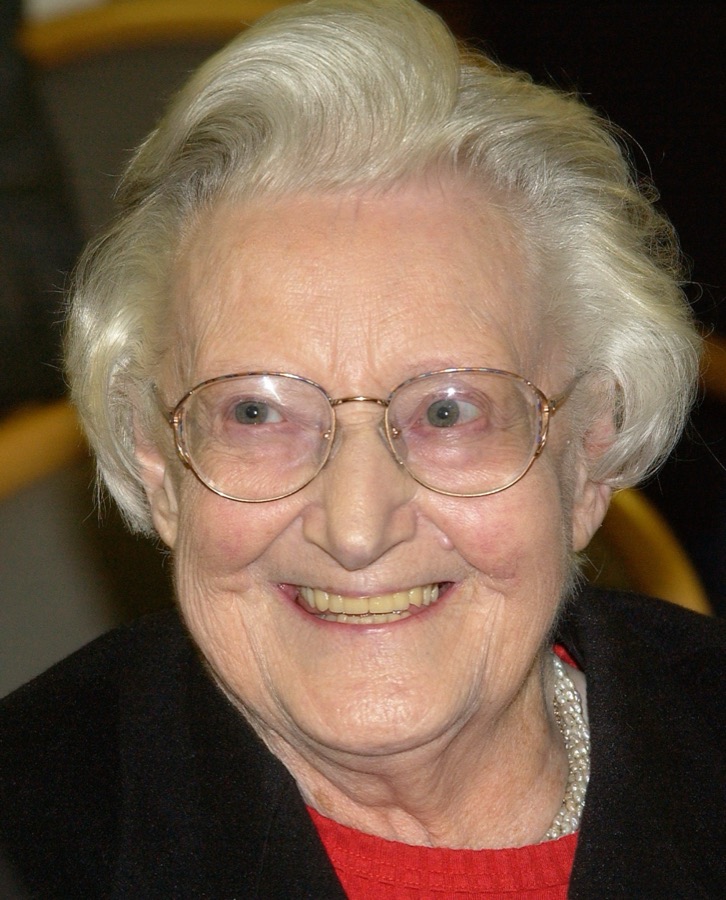
Cicely Saunders. Photographer unknown, CC BY-SA 4.0.
A window in your home
In 1947 Cicely Saunders was working as a hospital almoner in London when she met David Tasma. He was forty, a Polish Jew from Warsaw, and dying of cancer. She recited psalms she knew by heart and offered to read to him, and he told her he only wanted what was in her mind and in her heart. When he died in February 1948, he left her £500 and a sentence: “I’ll be a window in your home.”
She later said it took her nineteen years to build the home around the window. St Christopher’s Hospice opened in south London in 1967, with a window dedicated to him.
The last weeks of a life are still life.
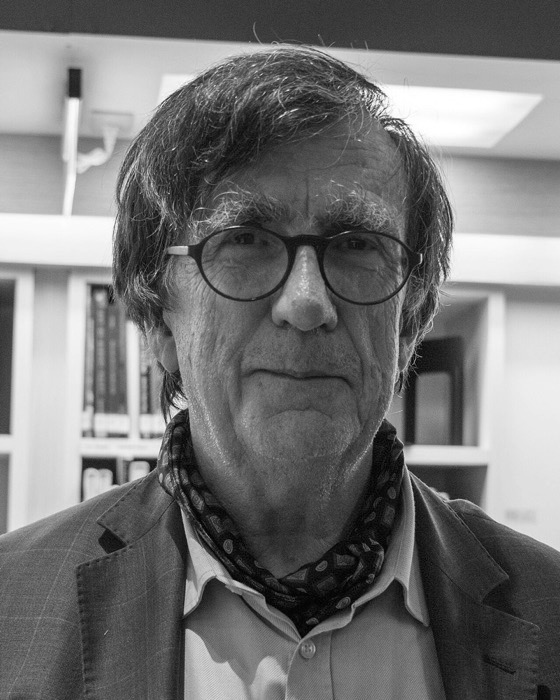
“The critic is not the one who debunks, but the one who assembles. The critic is not the one who lifts the rugs from under the feet of the naïve believers, but the one who offers the participants arenas in which to gather.”
Bruno Latour. Photo: KOKUYO, CC BY-SA 4.0.
Before you go
These bearings are easy enough to agree with on the page.
The test comes later, when you’re tired, or when you’re being rewarded for something that’s quietly making your life smaller. I don’t expect ever to stop needing reminders myself.
If one of these ideas stays with you, it’ll probably show up in small ways. A question comes back to you in the middle of a conversation, or you catch yourself reaching for an old description of someone. That’s enough to begin with. You don’t have to remake your life before you change one thing in it.
March
Nothing on the plot looks like much yet. Last year’s blackberries lean over a skin of ice on the water butt.
Under an upturned bucket the rhubarb’s coming, pink as a knuckle, pushing at the dark it was given.
Somebody’s tipped a trailer of muck by the gate. Everyone wants some. By Sunday it’ll be gone, forked out between the plots and turned in, rotting into next year.
I crouch and lift the bucket for a look, then put it back. Not yet.
The paintings are mine. The one-line summaries are my own readings. Heidegger was a member of the Nazi Party from 1933 to 1945. He’s here for his thinking on chatter and technique; that record isn’t excused.
Keep going
A Short Book of Syntropology
Eight bearings for finding your way towards more life.
Everything here comes from it, cut down. The book has the rest, with a note on every source, and you can read it over lunch.
My author royalties go to the Great North Air Ambulance Service.
Thanks for reading this far. If one of these bearings stays with you, I’d like to hear which one, and where it turned up.
John
Notes and sources
The connections drawn between these works, and the applications made here, are my own. The full notes are in the book.
The idea
Paul Peter Urone and Roger Hinrichs, Physics (Houston: OpenStax, 2020), section 12.3, “Second Law of Thermodynamics: Entropy”.
Erwin Schrödinger, What Is Life? The Physical Aspect of the Living Cell (Cambridge: Cambridge University Press, 1944), chapter VI, “Order, Disorder and Entropy”.
Living organisation is compatible with the second law of thermodynamics. My use of syntropy is philosophical; it doesn’t propose a competing physical law.
The question
Anaïs Nin, D. H. Lawrence: An Unprofessional Study (Paris: Edward W. Titus, 1932), p. 20. The quotation is often attributed to her diaries; it comes from this early book.
1 · Unfinishedness
Henri Bergson, Creative Evolution, translated by Arthur Mitchell (New York: Henry Holt and Company, 1911), chapter I, p. 7. The epigraph is an excerpt from a longer sentence about conscious existence. Its opening letter has been capitalised.
Dave Jennings, review of Shimmies in Super 8, Melody Maker, 1 May 1993. Review reproduced by 909originals. Dorian Lynskey, “Daft Punk: the midas touch”, The Observer, 19 May 2013. Jennings’s phrase describes the Darlin’ track “Cindy So Loud”. The reading of the name’s later use is mine.
Lao Tzu, Tao Te Ching, chapter 76. Paraphrased here, as wording varies between translations.
2 · Gathering
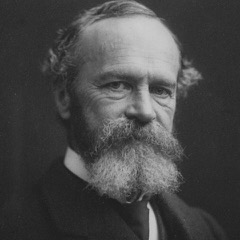
William James, The Principles of Psychology (New York: Henry Holt and Company, 1890), volume I, chapter XI, “Attention”, p. 402. James’s sentence concerns the selective character of attention and experience.
Alfred North Whitehead, Process and Reality: An Essay in Cosmology (1929), corrected edition, edited by David Ray Griffin and Donald W. Sherburne (New York: Free Press, 1978), part I, chapter II, section II, p. 21.
Iain McGilchrist, The Master and His Emissary: The Divided Brain and the Making of the Western World (New Haven: Yale University Press, 2009).
Francis Darwin, “Reminiscences of My Father’s Everyday Life”, in The Life and Letters of Charles Darwin, edited by Francis Darwin (London: John Murray, 1887), volume I, chapter III. The Sandwalk is often called Darwin’s “thinking path”, but Darwin Online notes that no source has been found for Darwin using the phrase himself, so I avoid it.
S. Jocelyn Bell Burnell, “Little Green Men, White Dwarfs or Pulsars?”, Annals of the New York Academy of Sciences 302 (1977). She was Jocelyn Bell at the time of the discovery.
3 · Coherence
Heraclitus, as quoted in Aristotle, Nicomachean Ethics, translated by W. D. Ross, in The Works of Aristotle, volume IX (Oxford: Clarendon Press, 1925), book VIII, chapter 1, 1155b. The epigraph follows Ross’s English wording.
Mae-Wan Ho, The Rainbow and the Worm: The Physics of Organisms (Singapore: World Scientific, 1993).
Herbie Hancock with Lisa Dickey, Possibilities (New York: Viking, 2014).
Names and identifying details in the founder story have been changed.
4 · Energy
William Blake, The Marriage of Heaven and Hell, “The Voice of the Devil”, plate 4, proposition 3, in The Complete Poetry and Prose of William Blake, edited by David V. Erdman, newly revised edition (New York: Anchor Books, 1988). Blake’s line is a poetic provocation.
Ray Peat, Generative Energy (1994); raypeat.com.
Richard P. Feynman, “Surely You’re Joking, Mr. Feynman!” (New York: W. W. Norton, 1985), “The Dignified Professor”.
5 · Participation
Maurice Merleau-Ponty, Phenomenology of Perception, translated by Colin Smith (London: Routledge & Kegan Paul, 1962), Preface. The epigraph uses Colin Smith’s translation.
Michael Polanyi, The Tacit Dimension (Garden City, NY: Doubleday, 1966), chapter 1, p. 4.
Owen Barfield, Saving the Appearances: A Study in Idolatry (London: Faber and Faber, 1957).
Evelyn Fox Keller, A Feeling for the Organism: The Life and Work of Barbara McClintock (San Francisco: W. H. Freeman, 1983), chapter 1, p. 10; chapter 12, pp. 198 and 206. Keller’s portrait of McClintock as isolated has been questioned, notably by Nathaniel Comfort in The Tangled Field (2001); the story here avoids the stronger claims about her neglect.
Eugen Fink, Oase des Glücks: Gedanken zu einer Ontologie des Spiels (Freiburg: Karl Alber, 1957). In English as “Oasis of Happiness: Thoughts toward an Ontology of Play”, translated by Ian Alexander Moore and Christopher Turner, Purlieu: A Philosophical Journal 1, no. 4 (Spring 2012), p. 10. His point about rules, that they are freely accepted and make the game possible, is paraphrased.
Rudolf Steiner, The Philosophy of Freedom (1894), chapter 9, “The Idea of Freedom”. Steiner’s maxim for the free life is paraphrased, as English translations of it vary.
Michael Dregni, Django: The Life and Music of a Gypsy Legend (New York: Oxford University Press, 2004). Accounts give different dates for the fire in late 1928, so only the year is used.
Stedelijk Museum Amsterdam, collection entry for Henri Matisse, The Parakeet and the Mermaid (1952).
7 · The Not-Yet
Ernst Bloch, The Principle of Hope, translated by Neville Plaice, Stephen Plaice and Paul Knight (Cambridge, MA: MIT Press, 1986), volume I, Preface. Bloch ties this movement to close attention to existing conditions, which separates it from empty fantasy.
Hannah Arendt, The Human Condition (Chicago: University of Chicago Press, 1958), chapter V, “Action”.
Tony Rinaudo, The Forest Underground (2021).
8 · Aliveness
Albert Schweitzer, Civilization and Ethics, part II of The Philosophy of Civilization, translated by John Naish (London: A. & C. Black, 1923), “The Ethic of Reverence for Life”.
Friedrich Nietzsche, Twilight of the Idols (1889), “Morality as Anti-Nature”.
Cicely Saunders, oral history interview with John Liebeskind, 11 August 1993, John C. Liebeskind History of Pain Collection, UCLA. Cicely Saunders, Templeton Prize acceptance address, 1981. “Dame Cicely Saunders”, obituary, BMJ, 2005.
Before you go
Bruno Latour, “Why Has Critique Run out of Steam? From Matters of Fact to Matters of Concern”, Critical Inquiry 30, no. 2 (2004), p. 246.
Pictures
Story photographs have been cropped and converted to black and white. Each is credited where it appears. Licence terms are at creativecommons.org/licenses.
Life leans forward, and for as long as we’re here we have some part in what happens next.