Back to the map

Sheet 287 · Instruments

The Deliberator

A mechanical device for examining familiar questions.

Pick an everyday predicament and turn the rings. It won’t tell you what to do. It’s a rather elaborate machine for making it harder to answer too quickly.

The Deliberatora philosophical instrument for the examination of familiar questions

J. Stoszkowski · Maker
GroundCompassHorizonSheet 287

Drag a ring to turn it. Press the brass nut to spin all three.Swipe a ring to turn it. Tap the brass nut to spin all three.

Certainty (approx.)

Reading1of 216

Answer

Unlocks once each ring has been turned.

Predicament 1 of 6

Someone hasn’t replied to your message.

You sent it on Tuesday. It’s now Thursday.

The GroundWhat do you believe is happening?

The CompassHow have you come to know or believe it?

The HorizonWhat matters in deciding what to do?

Directions for use

  1. Insert a predicament. An ordinary one works best.
  2. Turn each ring until it says what you’d say.
  3. Read the windows. There’s no hurry: the Deliberator isn’t in one.
  4. For an answer, pull the lever.

The maker accepts no liability for conclusions reached in haste.

Patent pending · Certainty not guaranteed

Further discs in preparation: the Stoic, the Sceptic, the Daoist. The maker is in no hurry.

What it’s up to

It takes a second apart

Something happens, and before you’ve finished your tea you’ve decided three things: what’s going on, how you know, and what to do about it. It takes about a second, and it feels like seeing, not deciding.

The Deliberator takes that second apart. The Ground is what you take to be happening. The Compass is how you came to think so. The Horizon is what matters in deciding what to do. Turn any ring and you’ll find you could have said something else, and that everything you might say has a question hanging off it.

It won’t tell you which reading is right. It can’t: it’s made of brass and paper, and it wasn’t there. What it can do is show you how many readings one small event will take, which is 216, and that you’d settled on one before you’d looked at the other 215.

They’re the same three questions I tend to start with when someone comes to think something through with me. There’s a longer way round in The lie of the land.

For people who read the last page firstAll 108 questions, without the brass

1Someone hasn’t replied to your message.

You sent it on Tuesday. It’s now Thursday.

The GroundWhat do you believe is happening?

“They’re ignoring me.”
“Ignoring” is your word for it. What actually happened, before you gave it a name? Alfred North Whitehead
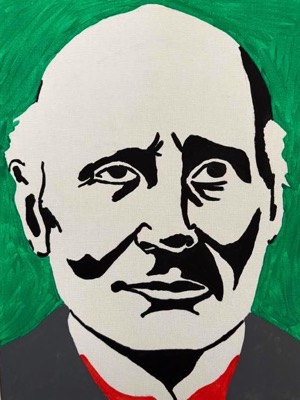
“They’re busy.”
In their world this week, is your message a mountain or a pebble? Jakob von Uexküll
“They’re cross with me.”
Which is hurting at the moment: their silence, or the story you’ve told yourself about it? Seneca
“They don’t know what to say.”
You’ve pictured them kindly. Is the kind picture any less accurate than the unkind one was? Iris Murdoch
“Their phone’s died.”
If an empty boat bumped into yours, you wouldn’t shout at it. Why does it matter so much whether anyone’s steering? Zhuangzi
“I’ve no idea.”
Now we’re getting somewhere. How long can you leave it at that before you start filling it in? Michel de Montaigne

The CompassHow have you come to know or believe it?

“I just know.”
Feeling sure and knowing feel exactly the same from the inside. Which one is this? Ludwig Wittgenstein
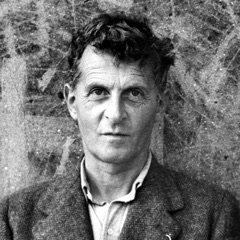
“It’s happened before.”
How many times does something have to happen before it becomes a rule? And who’s been counting? David Hume
“It’s what I’d do.”
You’re looking out of your own window. What would you need to know about them to see out of theirs? Friedrich Nietzsche
“A friend said so.”
And how does your friend know? Did they ask, or are they guessing on your behalf? Socrates
“The ticks went blue.”
Two blue ticks are news about a phone. What would count as news about a person? Gregory Bateson
“I haven’t asked.”
He’d have you pin a note on the wall that says “Are you sure?” What would it cost to find out? Thich Nhat Hanh

The HorizonWhat matters in deciding what to do?

“Getting a reply.”
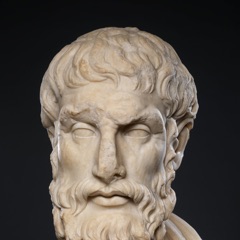
What do you want the reply to give you? Could you have that without it? Epicurus
“Not looking needy.”
Who’s watching? And what would you do next if nobody were? Diogenes
“The friendship.”
Is this a friendship of use, of fun, or of the rarer kind? Does the rarer kind keep score of replies? Aristotle
“Being right.”
Suppose you’re right. What would be different tomorrow? William James
“Leaving them be.”
Porcupines huddle for warmth until the quills hurt. How close is close enough for you two? Arthur Schopenhauer
“My peace of mind.”
Is your peace of mind something they can give you by pressing send? Marcus Aurelius

2You weren’t invited.

You found out from the photos.

The GroundWhat do you believe is happening?

“They left me out on purpose.”
A purpose is one kind of cause. How many dull, purposeless causes could have produced the same Saturday? Baruch Spinoza
“They forgot.”
Being forgotten can sting more than being disliked. Why would you rather be a problem than an absence? Jean-Paul Sartre
“It was a small do.”
Every gathering has its circumstances: the table for six, the lift home. Which of theirs can’t you see from here? José Ortega y Gasset
“We’ve drifted.”
Nobody drifts in still water. What’s been moving: them, you, or the river? Heraclitus
“They don’t like me.”
Suppose they don’t. How many people do you need to like you, and were these ever on the list? Arthur Schopenhauer
“I don’t know why.”
That’s the one thing here you actually know. Why is it so uncomfortable to stay there? Socrates

The CompassHow have you come to know or believe it?

“I saw the photos.”
A photograph stops a moving evening at its best-looking second. What happened in the other three hours? Henri Bergson
“It always happens.”
Always? Count them. How many times makes an always? David Hume
“I’d have asked me.”
You’re not them. How do you know what they’d do, from over here? Zhuangzi
“Someone let it slip.”
Was your informant trying to tell you the truth, or just enjoying having something to tell? Harry Frankfurt
“It’s just a feeling.”
A mood colours everything before you’ve thought a thing. What would this look like on a day you felt wanted? Martin Heidegger
“I haven’t asked.”
A real question is one you don’t already know the answer to. Could you ask them this one that way? Hans-Georg Gadamer

The HorizonWhat matters in deciding what to do?

“Being included.”
Did you want to go before you knew the others were going? René Girard
“My pride.”
Do you have your pride, or does it have you? Max Stirner
“Staying friends.”
What matters more in a friend: that they ask you every time, or that they’d come if you called? Epicurus
“Knowing why.”
You want a reason and the world isn’t offering one. Can you be all right before it does? Albert Camus
“Not making a fuss.”
Is that good manners, or have you decided in advance that your feelings aren’t worth the bother? Ralph Waldo Emerson
“My own Saturday.”
What would you have done with the evening if you’d never seen the photos? Is it too late to do it? Henry David Thoreau

3Someone else got the credit.

For the idea you had in March.

The GroundWhat do you believe is happening?

“They stole my idea.”
Where did you get it from? Trace it back two steps and see whose it is then. Johann Wolfgang von Goethe
“They forgot it was mine.”
Memory is a flattering editor. Whose memory is doing the editing here: theirs, yours, or both? Friedrich Nietzsche
“We both had it.”
If a good idea is in the air, how do you tell who breathed it in first? Does the air mind? Heraclitus
“They made it better.”
An idea isn’t handed over finished. At what point in its growing up did it stop being yours? Alfred North Whitehead
“Nobody noticed.”
If something good gets done and nobody sees who did it, what exactly has gone missing? Hannah Arendt
“It’s hard to say.”
What do you mean by “mine”? Had it first, said it first, or cared about it most? Mary Midgley

The CompassHow have you come to know or believe it?

“I said it first.”
You said it, and then it happened. Is that the same as your saying it making it happen? David Hume
“They’ve got form.”
People aren’t the same twice. Is this the person who did it last time, or are you meeting the reputation? Ray Peat
“It’s obvious.”
Obvious to whom? What would you show somebody who couldn’t see it? Ludwig Wittgenstein
“A colleague agrees.”
Two people agreeing is company. Is it also evidence? Søren Kierkegaard
“I kept the email.”
You’ve got proof. Who’s going to read it, and what will they make of the person waving it? Niccolò Machiavelli
“I wasn’t in the room.”
Every account comes from somebody standing somewhere. Whose spot in that room are you borrowing? Maurice Merleau-Ponty

The HorizonWhat matters in deciding what to do?

“The credit.”
Work done without a name on it tends to last. What would you lose, really, if this one went unsigned? Lao Tzu
“Fairness.”
Fair would be each getting what they’re due. Who decides what’s due, and would you trust them with yours? Aristotle
“The work itself.”
If the thing got built, and built well, how much of you needs the building to carry your name? Ayn Rand
“My reputation.”
A reputation lives in other people’s heads. How much of your week do you want to spend in there? Arthur Schopenhauer
“Keeping the peace.”
Whose peace? If you swallow this, where does it go? Carl Jung
“Next time.”
What would have to be different for next time to go otherwise? Which bit of that is yours to do? Ernst Bloch

4You keep putting something off.

It’s been on the list since the summer.

The GroundWhat do you believe is happening?

“I’m lazy.”
“Lazy” is a label. What did you do instead, and did that take no effort? Jean-Paul Sartre
“It’s not the right time.”
When is the right time, exactly? Is there a date, or does it just mean “not now”? Seneca
“It doesn’t matter much.”
If it doesn’t matter, why is it still on the list? Which of you wrote it there? Harry Frankfurt
“I’m scared of it.”
What is it you might find out about yourself if you tried? Søren Kierkegaard
“I don’t want to.”
Then whose idea was it? Yours, or what “one” is supposed to do? Martin Heidegger
“I’m tired.”
Is it the job that’s too big, or the battery that’s too flat? What charges yours? Ray Peat

The CompassHow have you come to know or believe it?

“I know myself.”
Do you? You’re the one person you’ve never seen from the outside. Friedrich Nietzsche
“I always do this.”
Each time you’ve put it off, was it for the same reason? Go through the last three. Gilles Deleuze
“Others manage it.”
Since when was managing the measure? Who taught you to audit yourself like this? Byung-Chul Han
“I was told to.”
Who told you? Do they still get a vote? Max Stirner
“I did the easy bits.”
You knew which bit mattered and did the others. What were you getting out of the others? Aristotle
“I haven’t looked at it.”
Ten minutes of simply looking at it, without starting. Could you bear that? What do you think you’d see? Simone Weil

The HorizonWhat matters in deciding what to do?

“Getting it done.”
And then what? Is there anything on your list you’d do if it led nowhere at all? Eugen Fink
“A promise I made.”
A promise ties tomorrow’s you to yesterday’s word. Is today’s you still the one who made it? Hannah Arendt
“Doing it properly.”
He called his life’s work “attempts”. What would a bad first go at this look like? Michel de Montaigne
“A proper rest.”
Is the not-doing giving you any rest? Or is it rest with the thing sat in the corner, watching? Gaston Bachelard
“Being free of it.”
There’ll be another one on the list by Friday. What would it be like to be all right with a list? Albert Camus
“Doing something else.”
What is the something else? It might be telling you more than the list is. Zhuangzi

5Someone you love is about to make a mistake.

They haven’t asked what you think.

The GroundWhat do you believe is happening?

“It’ll end badly.”
The ending hasn’t happened yet. How many endings can you think of besides the bad one? Ernst Bloch
“They can’t see it.”
From where they’re standing, what can they see that you can’t? Maurice Merleau-Ponty
“It’s their life.”
Some things can only be understood by living them. Is this one of those? Søren Kierkegaard
“They need to learn.”
There’s helping that takes the problem off someone, and helping that hands it back. Which is on offer? Martin Heidegger
“I might be wrong.”
Good. What would you expect to see in six months if you were? Socrates
“It’s me who’s scared.”
Which of your own old mistakes does this one remind you of? Carl Jung

The CompassHow have you come to know or believe it?

“I’ve seen it before.”
You’ve seen something like it. How like? What’s different about this person, this time? David Hume
“I made it myself.”
Your mistake taught you something. Would you hand it back if you could? Then why take theirs away? Ralph Waldo Emerson
“I know them.”
You know who they’ve been. Do you know who they’re about to become by doing this? Jean-Paul Sartre
“Everyone says so.”
If they’re hearing a different drummer, how would that sound from where everyone’s standing? Henry David Thoreau
“I’ve done the sums.”
Some things only work out because somebody believed they would. Is this that sort of thing? William James
“They haven’t asked me.”
What’s the least you could do here that would still be love? Lao Tzu

The HorizonWhat matters in deciding what to do?

“Sparing them the pain.”
Think of what’s made you who you are. How much of it would a kind person have spared you? Friedrich Nietzsche
“Being proved right.”
In a year, which would you rather be able to say: “I told you so”, or “come in”? Erich Fromm
“Their freedom.”
Can you want them free and also want them to choose what you’d choose? Simone de Beauvoir
“Staying close.”
Have you asked what they’re going through, or only told them where they’re going? Simone Weil
“Honesty.”
Saying it is easy. Saying it at the right moment, in the right way, for their sake: is this that? Aristotle
“My own peace.”
If you spoke up to quieten your own worry, who would the speaking be for? Thich Nhat Hanh

6A stranger was rude to you this morning.

You’re still thinking about it at teatime.
The GroundWhat do you believe is happening?

“They were rude.”
He told himself every morning that he’d meet rude people that day. Why did it still catch you out? Marcus Aurelius
“They’re having a bad day.”
What would have to be true of someone’s morning for that to come out of them? Baruch Spinoza
“It wasn’t about me.”
In their world, what were you? A person, or just something in the way of the door? Jakob von Uexküll
“I got in their way.”
Did you? Or is taking the blame just quicker than not knowing? Socrates
“That’s people nowadays.”
They said the same in Rome. If it’s always been “nowadays”, what are you actually noticing? Seneca
“It was nothing.”
Then why is it still here at teatime? Who keeps bringing it back in? William James

The CompassHow have you come to know or believe it?

“I was there.”
You were there, and you were startled. What does a startled person see: the whole street, or one face? Iain McGilchrist
“It was their tone.”
A tone has to be heard by someone. What were you already expecting to hear? Hans-Georg Gadamer
“I’m never rude.”
Never? What’s the rudest thing you thought today and didn’t say? Carl Jung
“A friend was shocked.”
Was your friend shocked before you told it, or did they catch it from you? René Girard
“I’ve replayed it.”
You can’t step into the same morning twice. Which version are you on now, and who’s been editing? Heraclitus
“I never asked them.”
When he played with his cat, he wondered who was playing with whom. What was this morning like from the stranger’s side? Michel de Montaigne

The HorizonWhat matters in deciding what to do?

“Getting even.”
Getting even with whom? They’ve gone. Who’s left for the grudge to work on? Max Scheler
“An apology.”
It isn’t coming. Is there a way to be finished with this that doesn’t need them? Hannah Arendt
“Letting it go.”
Look out of the window for a minute. What’s out there that’s more interesting than your grievance? Iris Murdoch
“Good manners.”
We get our character by practising it. What did you get to practise this morning? Aristotle
“My dignity.”
Did they take it, or did they only offer you the chance to put it down? Viktor Frankl
“My evening.”
It’s teatime. What’s the first thing this evening that could be done purely for the fun of it? Eugen Fink